6 Proven Techniques Every Food Business Must Use to Ward Off Foodborne Illnesses
Uncover six proven techniques to protect your food business from devastating foodborne illnesses. Stay safe, stay profitable.
Key takeaways
- Wash hands for at least 20 seconds in total, and wash again after handling raw meat, touching your face or switching tasks.
- Hold cold food at 41°F or below and hot food at 135°F or above, the FDA Food Code limits for restaurants and retail food.
- Cook poultry to 165°F, ground beef and pork to 155°F for 17 seconds, and whole cuts, seafood and eggs to 145°F for 15 seconds.
- Store raw meat below ready-to-eat food, use the oldest stock first and throw out anything past its date.
On this page
The six techniques that prevent foodborne illnesses in a food business are proper hand hygiene, regular temperature control, safe food storage, thorough cooking, strict cleaning and sanitizing, and ongoing staff training. Each one blocks a different way that germs like Salmonella, E. coli and norovirus reach your customers, and together they cover almost every point where food can go wrong.
Foodborne illnesses can harm your customers and damage your reputation, often before you know anything has gone wrong. The good news is that they are largely preventable when these six habits are part of every shift.
Below, you’ll find what each technique involves, the temperatures that matter, and how to make the habits stick. Maintaining your customers’ confidence and keeping your business running for the long term depends on it.
The Growing Need for Food Safety in a Globalized World
Food safety is a major concern in our interconnected world because food can be contaminated while it travels across borders and continents.
That makes strong food safety measures crucial to protect public health and your business’s reputation.
Brief on Foodborne Illnesses and Their Impact
Millions of people are affected by foodborne illnesses every year, caused by pathogens like E. coli and Salmonella. These illnesses can have serious health effects and hurt the food businesses linked to them.
Contamination can happen through poor handling or storage. Strict food safety rules help businesses keep customer trust and avoid the costs of product recalls and legal issues.
Food safety matters at every stage of the food chain, from the field to the dinner table.
Six Essential Techniques for Foodborne Illness Prevention
Prioritize hand hygiene with frequent washing and glove use. Monitor food temperatures and store raw meats separately to prevent contamination. Make sure foods are cooked to the correct temperatures, keep prep areas sanitized, and train employees on food safety practices.
For the success of your food business, pay attention to these six key areas.
1. Prioritizing Proper Hand Hygiene
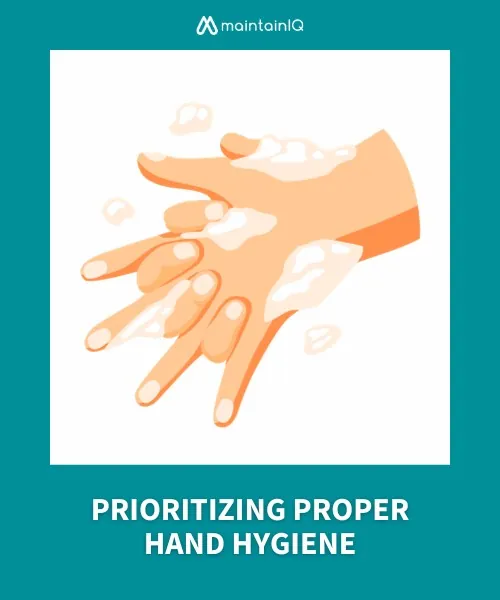
Proper handwashing is one of the most effective ways to stop the spread of disease in a kitchen.
Follow the same steps every time:
- Wet your hands with warm running water.
- Apply soap and scrub the backs of your hands, between your fingers and under your nails.
- Rinse well under running water.
- Dry with a single-use paper towel or an air dryer.
The whole wash should take at least 20 seconds. Wash before starting work, after handling raw meat, poultry or seafood, after using the restroom, after touching your face or hair, and whenever you switch tasks. Gloves help, but they do not replace handwashing; change them whenever they tear or you move to a new task.
The Science Behind Handwashing and Disease Prevention
Here’s why proper handwashing matters:
- Soap acts like a magnet to microbes on your skin, lifting them off.
- The force of the water then washes these loosened microbes away.
- Good hand hygiene is one of the simplest ways to prevent disease in your business.
2. Regular Temperature Monitoring and Control
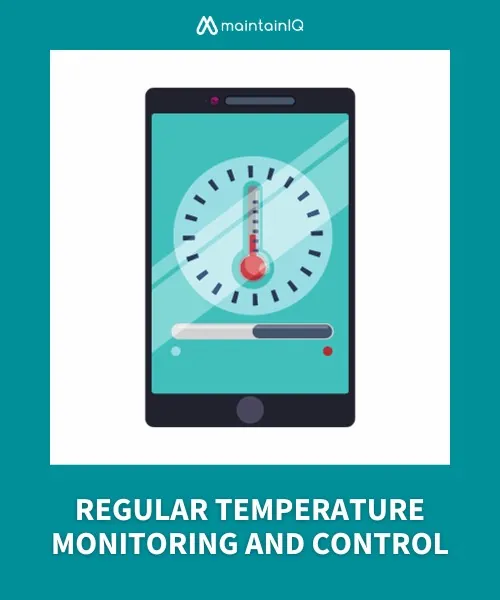
Maintaining proper temperatures is crucial to preventing foodborne illness. Consumer guidance from FoodSafety.gov is to keep cold dishes at 40°F or below. For restaurants and retail food, the FDA Food Code sets cold holding at 41°F (5°C) or below and hot holding at 135°F (57°C) or above. The range in between is where bacteria grow fastest.
These are the numbers from the FDA Food Code that most kitchens check every day:
| Step | Temperature | Time |
|---|---|---|
| Cold holding | 41°F (5°C) or below | At all times |
| Hot holding | 135°F (57°C) or above | At all times |
| Cooling cooked food | 135°F to 70°F, then 70°F to 41°F | Within 2 hours, then within the next 4 hours (6 hours total) |
| Reheating for hot holding | 165°F | For 15 seconds, reached within 2 hours |
| Poultry and stuffed foods | 165°F | Cooking temperature |
| Ground beef and pork | 155°F | For 17 seconds |
| Whole cuts of beef and pork, seafood, eggs for immediate service | 145°F | For 15 seconds |
The Role of Temperature in Bacterial Growth
Temperature plays a big part in stopping bacteria and other pathogens from growing. Regular temperature checks catch problems early, before food sits in the danger zone long enough to make someone sick.
Heat kills bacteria, while cold storage slows their growth. Getting both right is at the heart of food safety.
3. Implementing Safe Food Storage Practices
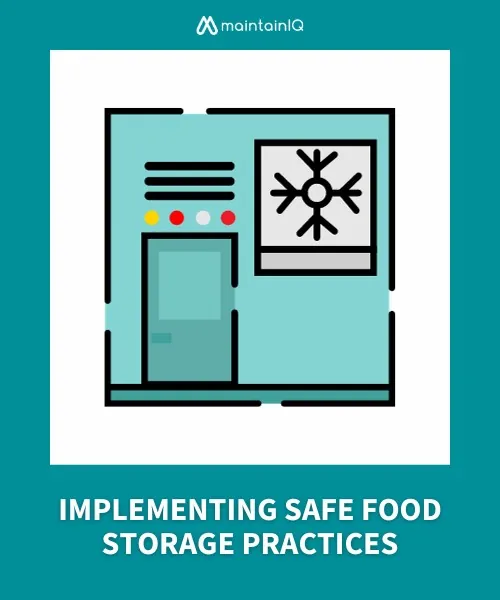
To combat foodborne illnesses, follow these five food storage practices:
- Use proper containers. Covered, labeled food-safe containers prevent cross-contamination and slow bacterial growth.
- Rotate your stock. Use the oldest items first to cut waste and keep everything fresh.
- Respect expiration dates. Eating expired food can lead to serious illness, so throw out anything past its date.
- Keep raw and cooked foods apart. Store raw meat on the lowest shelves, below ready-to-eat food, so drips cannot reach it.
- Hold the right temperature. Maintaining the right temperature for stored food is essential to slow bacterial growth.
For more on keeping stock fresh and organized, see these tips for chefs on food stock optimization.
4. Ensuring Thorough Cooking and Heat Treatment
Thorough cooking and heat treatment are key to preventing foodborne illnesses and serving safe food.
Follow safety guidelines to kill harmful pathogens in your food. Cook meat, poultry, seafood and eggs to the temperatures in the table above, and check them with a probe thermometer rather than by eye. Blanching or steaming fruits and vegetables can preserve quality while making them safer.
Pasteurization is a heat treatment used for milk, juice and many packaged foods to kill pathogens and extend shelf life. Buying pasteurized products where you can adds another layer of protection.
Getting this right protects your guests and builds your reputation for safe food.
5. Adopting a Strong Cleaning and Sanitization Routine
A strong cleaning and sanitization routine is crucial to protect your business from foodborne illnesses. Use approved sanitizers at the right strength and follow the same method every time.
Clean first to remove food and grease, then sanitize, and let surfaces air-dry. Every food-contact surface, from cutting boards to slicers, needs this treatment so harmful germs cannot spread to food.
6. Continual Training and Education for Staff

Regular, interactive training keeps your staff up to date with the skills and knowledge that matter most in the fight against foodborne illnesses.
For instance, try role-playing exercises and quizzes to get people involved in real food safety situations. Encourage ongoing learning by suggesting workshops and seminars for your team.
Mentorship programs pass knowledge from experienced staff to new hires and build a culture of learning. Your team’s food safety skills have a direct effect on how your business performs, so investing in training is one of the best ways to prevent foodborne illnesses.
Combining Techniques for Maximum Safety
To fight off food-related diseases, relying on just one method is not enough. A combination of strategies, used together every day, provides a strong defense and greatly reduces the risk of foodborne illness.
The Importance of a Holistic Approach in Food Safety Management
A well-rounded food safety management strategy is crucial to protect your food business. It goes beyond meeting regulatory requirements and includes:
- Assessing risks: This helps you find potential problems and deal with them early.
- Maintaining quality control: This keeps things consistent and reduces the chances of safety slip-ups.
- Preventing cross-contamination: This keeps harmful bugs away from food.
- Setting up traceability: This lets you respond quickly to safety lapses and protects your brand and your customers’ well-being.
This all-around approach gives your food business the thorough protection it needs.
Conclusion: The Imperative of Food Safety in Ensuring Consumer Trust and Business Longevity
In the competitive food industry, the key to winning over customers and keeping your business going lies in your commitment to food safety.
Investing in solid safety measures protects your business from contamination issues and safeguards your reputation and customer trust.
Remember, a single contamination issue can spread across social media and review sites in hours, and that is not a risk your business can take.
MaintainIQ turns habits like these into daily digital checklists and temperature logs, with a record of who completed each check and when. A failed check can become a follow-up task, so it gets fixed instead of forgotten. See how it runs food safety checks on every shift, at one location or many.
Frequently Asked Questions
What Are the Common Types of Foodborne Illnesses Should a Food Business Be Aware Of?
Food business owners must be familiar with foodborne illnesses like E. coli, salmonella, and norovirus. Prevention requires proper food handling, staff training, and the hygiene protocols every food business must master.
How Can Customers Identify if a Food Business Is Following Proper Safety Protocols?
To see whether a restaurant or food business follows safety rules, check if the staff has hygiene training and a Food Handler’s Certificate. Also, see if they wear gloves and hair restraints, prevent cross-contamination, and store food properly.
What Is the Role of Local Health Departments in Preventing Foodborne Illnesses in Food Businesses?
Local health agencies play a vital role in food safety. They carry out regular inspections, provide safety education, monitor disease trends, set up emergency plans, and work with the community to keep food businesses safe.
What Are Some of the Legal Consequences a Food Business May Face if They Fail to Prevent Foodborne Illnesses?
Ignoring food safety can result in fines, regulatory action, lawsuits, insurance problems, and even loss of your business license. It’s a risk not worth taking.
How Can Foodborne Illnesses Affect the Reputation and Profitability of a Food Business?
Foodborne illness can harm your business, damaging your brand, customer trust, and profits. A clear crisis plan and honest communication are key to restoring your reputation and profitability.