11 Expert Tips for Spotless Spaces to Elevate Cleanliness in Food Preparation Areas
11 practical tips for cleanliness in food preparation areas, from handwashing and separating raw food to sanitizing surfaces and a cleaning schedule.

Key takeaways
- Wash hands for at least 20 seconds in total, and again every time you switch from raw food to cooked or ready-to-eat food.
- Clean, rinse and then sanitize food-contact surfaces and tools between tasks, using a sanitizer approved for food-contact use.
- Use separate, color-coded cutting boards for raw meat, produce and ready-to-eat food, and store raw meat below everything else.
- Follow a written cleaning schedule that lists each task, how often it happens and who does it, and check it at the end of every shift.
On this page
To raise cleanliness in food preparation areas to a professional standard, focus on a few habits done every time: wash hands properly, keep raw and ready-to-eat food apart, clean and sanitize surfaces and tools between tasks, and follow a written cleaning schedule that someone checks every shift. A clean prep area is not just about looks. It is one of the main ways you stop foodborne illness.
The 11 tips below turn those habits into a routine your whole team can follow, so keeping clean becomes part of the job rather than an extra chore.
You have the power to make your kitchen a safe, spotless place to cook. Here is how.
The Significance of Cleanliness in Food Safety
Cleanliness is at the center of food safety and quality assurance. A clean kitchen is the starting point for high-quality food.
It is not only about looking good. It is about stopping foodborne illnesses and protecting your customers’ health.
The Direct Impact of Clean Prep Areas on Food Quality
Clean prep areas are vital for food safety and quality. Follow strict cleaning protocols and proper sanitizing to reduce the risk of foodborne disease and make sure every meal you serve is safe and good.
Cleanliness also matters for your business. It shows customers you care, prevents contamination and builds the trust that keeps people coming back.
Essential Tips for Maintaining Pristine Food Preparation Areas
Keeping your food prep area spotless is not only for looks; it matters for health.
Clean hands, a strict cleaning routine and color-coded cutting boards are some of the basic steps to a hygienic kitchen.
Proper storage, labeling of raw and cooked foods and frequent sanitizing of work surfaces and utensils complete the picture.
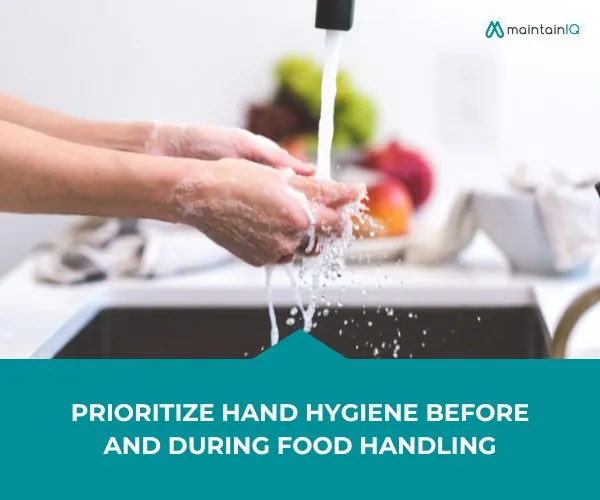
1. Prioritize Hand Hygiene Before and During Food Handling
Keep these tips in mind:
- Take your time washing your hands. Wet, soap, lather, scrub, rinse and dry with a clean single-use towel. The FDA Food Code calls for at least 20 seconds for the whole process.
- To avoid cross-contamination, wash your hands between different food types, especially when you move from raw to cooked or ready-to-eat items.
- Wash again after touching your face or phone, taking out trash, handling money or using the restroom.
- Remember that cleanliness covers your kitchen surfaces and utensils too, not just your hands.
When it comes to food safety, hand hygiene comes first. Make it part of every shift.
2. Use Color-Coded Cutting Boards to Avoid Cross-Contamination
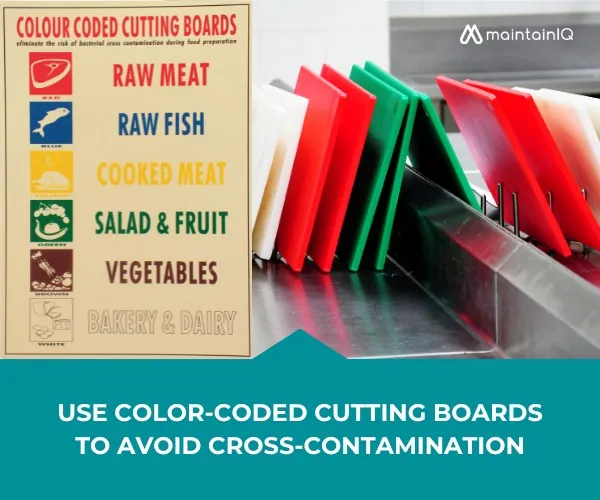
Color-coded cutting boards are an easy way to prevent cross-contamination in the kitchen.
Using separate cutting boards for raw meat, vegetables and ready-to-eat foods makes it simple for everyone to keep things apart, even new staff on their first day.
No US rule requires specific colors, but many kitchens use a scheme like this one. Whatever you choose, post it where everyone can see it:
| Board color | Commonly used for |
|---|---|
| Red | Raw meat |
| Yellow | Raw poultry |
| Blue | Raw fish and seafood |
| Green | Fruit and vegetables |
| White | Dairy and bread |
| Brown | Cooked meat |
Color-coding does not replace cleaning. Wash, rinse and sanitize each board after every use, and replace boards once they are deeply scratched.
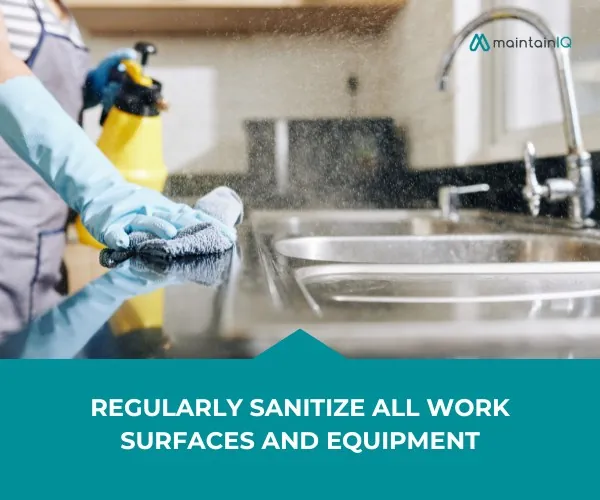
3. Regularly Sanitize All Work Surfaces and Equipment
Keeping your food prep areas clean is vital.
It takes more than a quick wipe, and the product you use matters.
Cleaning and sanitizing are two different steps. Cleaning removes food, grease and dirt. Sanitizing kills the germs that are left. For food-contact surfaces, follow this order:
- Scrape off food and debris.
- Wash with detergent and hot water.
- Rinse with clean water.
- Sanitize with a sanitizer approved for food-contact surfaces, mixed to the strength on the label. Check it with test strips.
- Let the surface air-dry.
The Power of Natural Cleaners vs. Chemicals
Natural cleaners have their place in keeping a kitchen spotless, but it is important to know where they work and where they do not.
Natural and chemical products each have advantages and drawbacks.
Natural options such as vinegar or baking soda can handle general cleaning of floors, walls and other non-food surfaces, and they leave little residue, which makes them a more environmentally friendly choice for those jobs.
For food-contact surfaces, though, health inspectors expect a sanitizer that is approved for that use, applied at the right strength, or hot water at the temperature your equipment is rated for. Home remedies are not a substitute. If you want a gentler option, ask your chemical supplier about approved food-contact sanitizers with fewer hazards for staff.
4. Ensure Proper Storage and Labeling of Raw vs. Cooked Foods
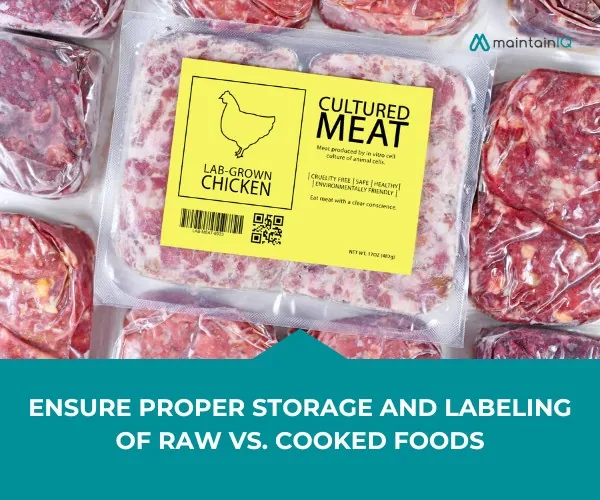
Keep your kitchen clean and safe by storing and labeling raw and cooked foods properly. This step is crucial to avoid contamination.
Store ready-to-eat and cooked foods on the top shelves and raw meat, poultry and fish on the bottom, so nothing can drip onto food that will not be cooked again.
Label every container with its contents and the date it was prepared or opened, so staff can use the oldest food first and throw out anything past its date.
Once you have sorted this, it is time to create a strict cleaning schedule and stick to it.
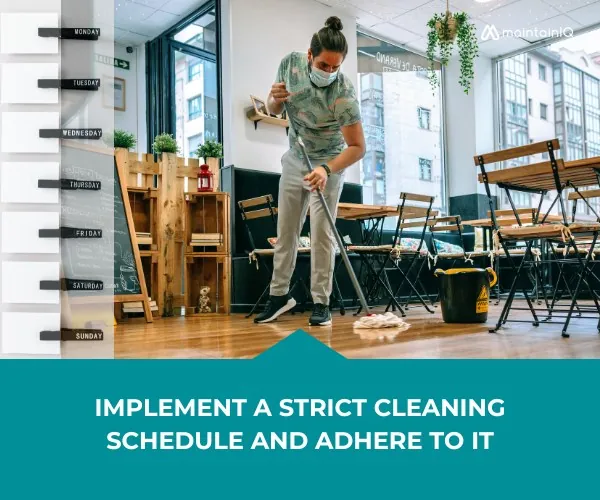
5. Implement a Strict Cleaning Schedule and Adhere to It
Maintaining a clean food prep area is crucial. A strict cleaning schedule keeps the area clean and prevents contamination.
Here is how to go about it:
- Write a realistic plan. List each cleaning task, how often it happens, the tools and products it needs and who is responsible.
- Assign and time it. Give every task an owner and a deadline, such as “by close.”
- Follow it every day. Consistency is what makes a schedule work.
- Check it. Use checklists so tasks are done the same way, and have a manager confirm them so people are accountable.
A sample schedule for a prep area might look like this:
| When | Tasks |
|---|---|
| Between tasks | Wash, rinse and sanitize cutting boards, knives and prep surfaces, especially after raw meat |
| During the shift | Wipe spills right away, replace dirty sanitizer solution, empty full trash cans |
| End of every shift | Clean and sanitize prep tables, slicers and small equipment, sweep and mop floors, take out trash |
| Weekly | Clean inside reach-in coolers, shelves, walls near prep stations, floor drains and trash bins |
| Monthly | Deep clean behind and under equipment, walk-in shelving and other hard-to-reach areas |
If you need a starting point, these free sanitation checklists cover daily, weekly and monthly tasks you can adapt.
6. Store Cleaning Tools Away from Food Prep Areas
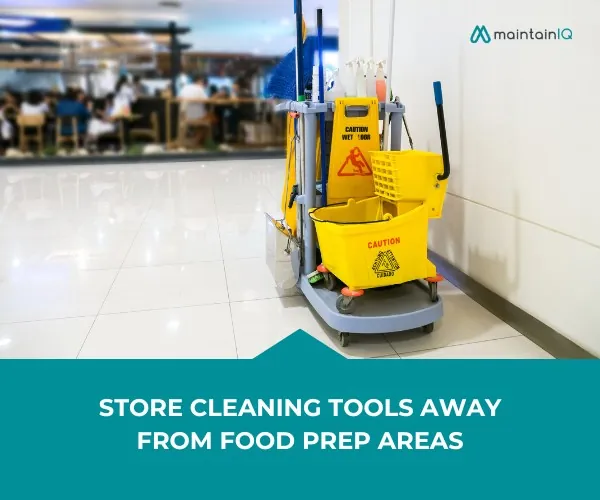
Keeping your cleaning gear out of the food prep zone makes your kitchen noticeably cleaner. It is not just about tidiness; it is about avoiding contamination too.
Give cleaning tools and chemicals their own storage spot, below and away from food, clean dishes and single-use items. That keeps the dirty stuff away from your meals.
A neat, well-organized kitchen also shows your team that standards matter. Make this one of the rules everyone follows.
7. Embrace Modern Technology: UV Lights and Air Purifiers
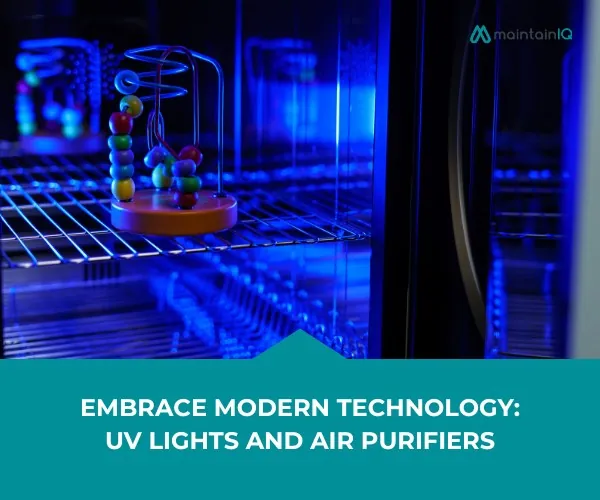
Modern technology, such as UV lights and air purifiers, can help reduce bacteria on surfaces and in the air in your kitchen. These devices add to your hygiene routine; they do not replace it.
UV light can reduce microbes on surfaces it shines on directly, and in the air that passes through a UV unit, without chemicals. Air purifiers filter out particles, reducing allergens and other contaminants. Follow the maker’s instructions closely, because direct UV light can harm skin and eyes.
These tools can make your food prep area safer and cleaner. They should only supplement regular cleaning and sanitizing, never replace it.
Next, let’s look at why training your team on updated cleaning procedures matters.
8. Educate and Train Staff on New Cleaning Protocols Regularly
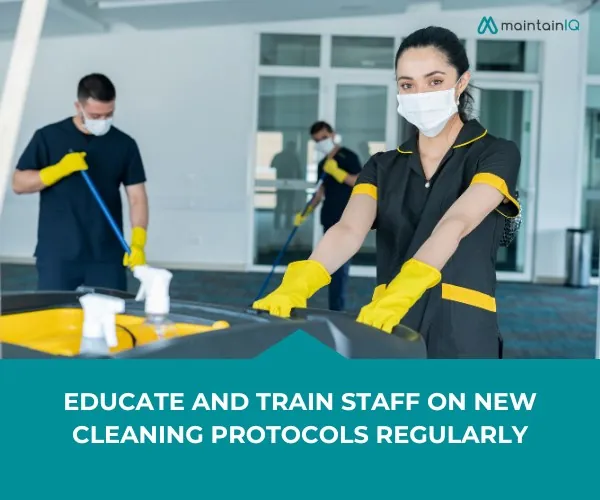
To keep your food prep area clean, keep staff up to date on cleaning procedures through short workshops, online courses or hands-on training at the station.
Regular cleanliness checks and helpful feedback show the team that a clean workspace matters. Retrain whenever you change products, equipment or procedures.
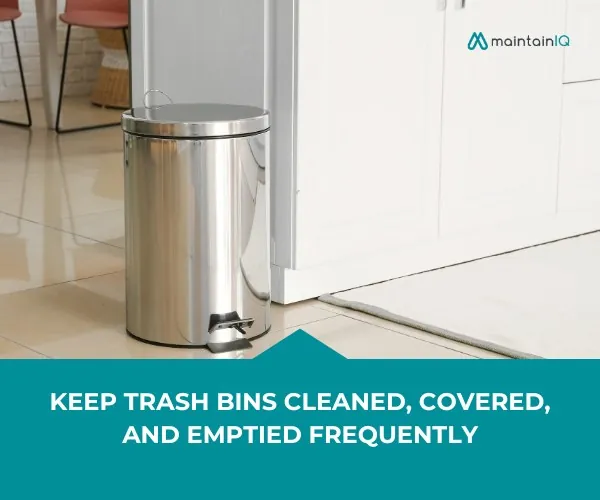
9. Keep Trash Bins Cleaned, Covered, and Emptied Frequently
Clean, well-kept trash bins are essential to a hygienic prep area. They help you meet hygiene standards, stop bacteria spreading and keep pests away.
To manage waste well, clean the bins regularly with a disinfecting cleaner, keep lids closed to stop pests and odors, and never let them overflow.
Remove the garbage at least once per shift to keep the food prep area clean and safe.
10. Regularly Check and Replace Damaged Equipment or Utensils
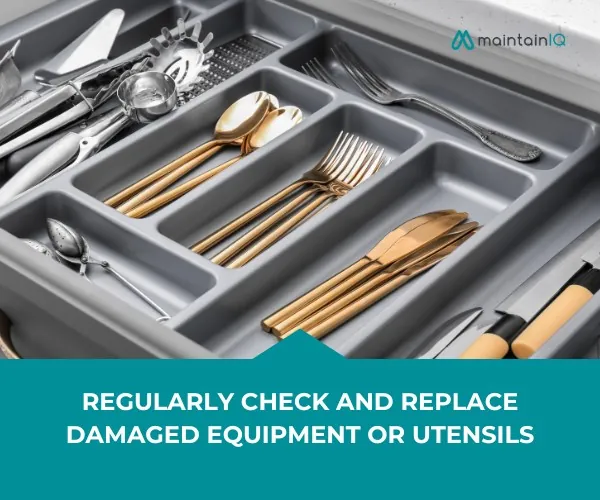
Check equipment often and replace worn-out items. Cracks, chips and corrosion can hide harmful bacteria that cleaning cannot reach. Regular cleaning plus regular maintenance keeps the prep area safe.
Inspect utensils daily to catch problems early and avoid food contamination. Replace cracked containers, deeply scored cutting boards and loose-handled knives right away. Keeping equipment in good condition protects food safety and keeps the kitchen working efficiently.
11. Encourage Feedback and Continuous Improvement
Ask your team for feedback on hygiene procedures in the prep area. The people who clean every day often know the fastest way to do it well.
Involve staff in decisions to build their commitment to cleanliness. An anonymous suggestion box can bring out good ideas too.
Hygiene in food prep is an ongoing process that needs attention, improvement and everyone’s involvement.
Conclusion: Making Cleanliness a Habit, not a Chore in Food Prep Spaces
To make hygiene a normal part of the day, focus on changing behaviors, rewarding good practices, training well, building a culture and making people responsible for results.
Here is a quick summary of each strategy:
Behavior change: Change habits step by step with a clear routine.
Positive reinforcement: Reward and recognize good cleaning habits.
Training techniques: Teach good sanitary habits through demonstration and practice, not just a handout.
When your team values cleanliness, it becomes part of everyday work. When each task has a clear owner, the rules are followed.
Keeping your food prep spaces clean is not just a job; it is a habit that keeps people safe.
If your cleaning schedule still lives on a clipboard, MaintainIQ can run it as a digital checklist app on a phone or tablet. Each task can have a due time, you can see who submitted the checklist and when, and failed items can create follow-up tasks so problems get fixed.