The 4 Basic Food Safety Principles You Must Know
The 4 basic food safety principles are clean, separate, cook and chill. Learn what each means in a kitchen, with safe cooking and holding temperatures.
Key takeaways
- Wash hands with soap and warm water for at least 20 seconds, and clean work surfaces, equipment and utensils before every use.
- Use separate cutting boards and plates for raw meat, poultry and seafood, and store raw meat on the bottom shelf so it cannot drip onto other food.
- Under the FDA Food Code, cook poultry to 165°F, ground meat to 155°F for 17 seconds, and whole cuts, seafood and eggs to 145°F for 15 seconds.
- Keep cold food at 41°F or below and hot food at 135°F or above, because bacteria grow fastest in the range between.
On this page
The four basic food safety principles are clean, separate, cook and chill. Together they are a simple guide for preparing food hygienically: keep hands and surfaces clean, keep raw foods away from ready-to-eat foods, cook food to a safe temperature and keep it out of the temperature range where bacteria grow. If you skip them, you risk serving unsafe food that can make anyone who eats it sick.
An estimated six hundred million people get food poisoning from contaminated food every year. That is why food safety matters so much, and why tools such as digital food safety records are now common in restaurants.
Putting these principles into practice every shift can be hard. But you usually cannot see, smell or taste contamination, so prevention is the only reliable defense, and these basics make a huge difference.
Learn them, train your team on them and check them every day so your food never becomes the cause of foodborne illness.
The four basic food safety principles
Food safety is a set of food safety control measures that everyone who prepares food should follow to reduce the risk of infection. If you prepare and serve food in an unsanitary setting, you put everyone who eats it at serious risk of foodborne illness.
It is easy to feel overwhelmed by food safety. There is a lot to learn, and putting it all in place can seem daunting. But even the most basic food safety guidelines make a real difference.
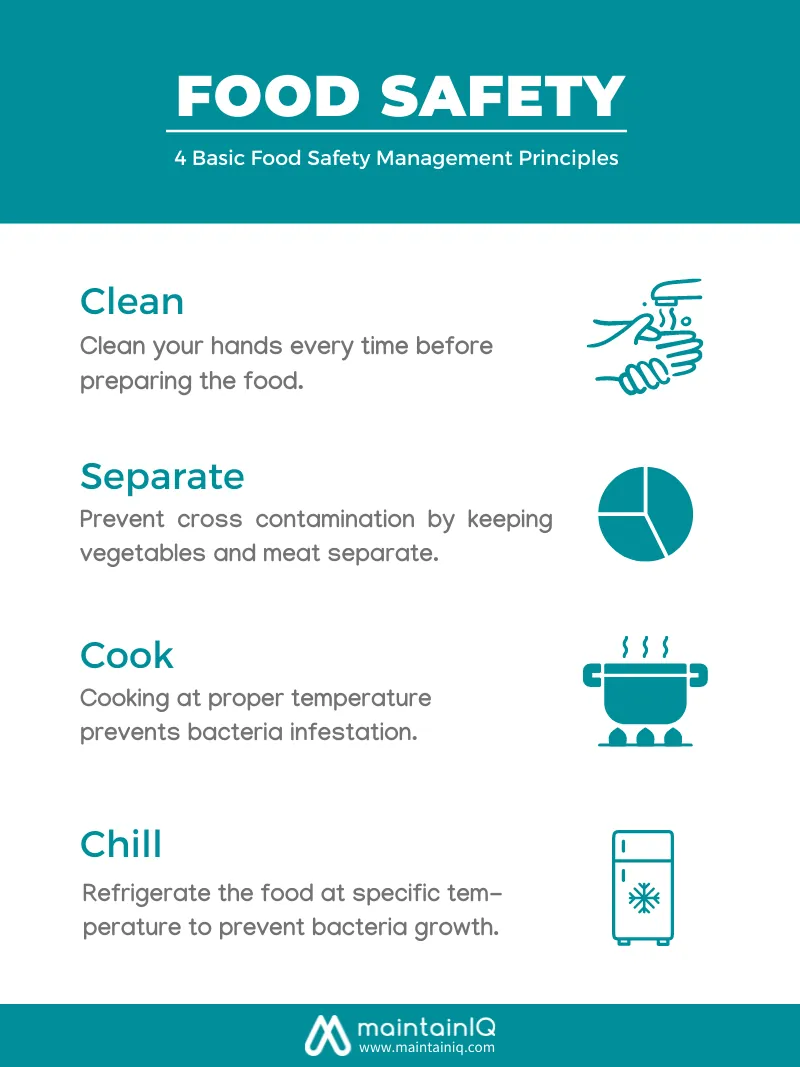
These are the four steps to food safety set out by the USDA. Here is a closer look at each one.
Clean
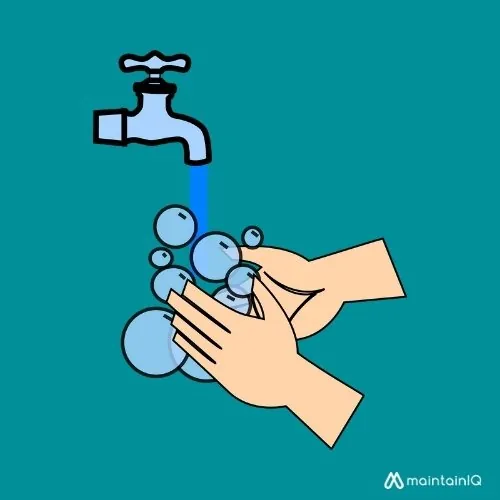
Germs spreading from hands and surfaces to food is one of the most common causes of foodborne illness, so remember that a clean kitchen is a safe kitchen. Hands are the biggest source of the problem. If you have not washed your hands thoroughly before you start, it is far too easy to transfer bacteria to food.
Wash with warm, soapy water, up to your wrists and forearms. The FDA Food Code calls for handwashing that takes at least 20 seconds in total. Put a handwashing guide at every sink so staff cover every part of their hands.
The rest of the kitchen follows the same rule. Before you use any work surface, make sure it is clean and free of leftover cleaning chemicals. The same goes for kitchen equipment and utensils.
Separate
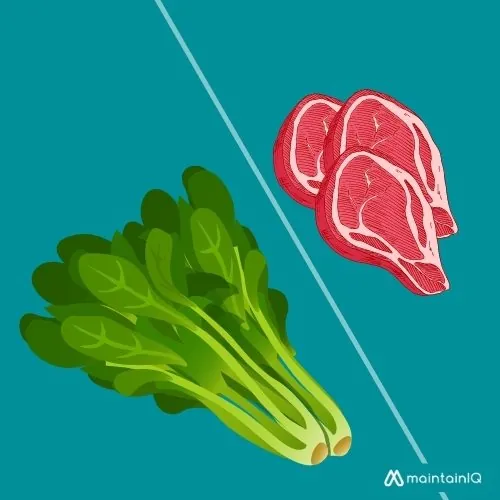
Keeping foods apart is one of the best ways to avoid cross-contamination. That can mean storing raw meat in leak-proof containers so juices cannot reach other foods. Unless you keep raw meat, poultry, shellfish and eggs separate, germs can spread to ready-to-eat food.
- Use separate cutting boards and plates for shellfish, raw meat and poultry.
- Keep raw fish, meat, poultry and their juices apart from other foods when you receive and put away deliveries.
- Refrigerate raw meat, poultry, fish and eggs separately from all other foods.
Cook
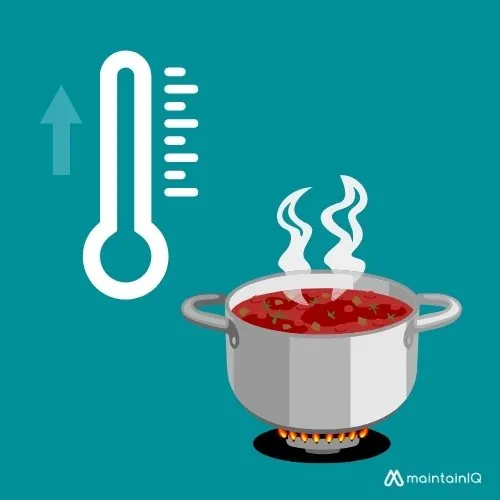
Cooking is an essential part of food safety. It may seem obvious, but what matters is how you cook, not just whether you remember to cook the raw chicken. Foods that can carry germs, such as chicken, must be cooked all the way through, and the only way to know is to check with a thermometer.
After cooking, never put food back on the plate or cutting board that held the raw meat.
The FDA Food Code sets these minimum internal cooking temperatures for restaurants:
| Food | Minimum internal temperature |
|---|---|
| Poultry and stuffed foods | 165°F (74°C) |
| Ground meat (beef, pork) | 155°F (68°C) for 17 seconds |
| Whole cuts of beef and pork, seafood, eggs for immediate service | 145°F (63°C) for 15 seconds |
| Leftovers reheated for hot holding | 165°F (74°C) for 15 seconds, within 2 hours |
The USDA FSIS safe temperature chart for home cooks lists 160°F for ground beef instead, so check which rule applies to you.
Chill
Food storage matters just as much. After preparation, many foods must be kept either in a dry place out of direct sunlight or in a refrigerator at the right temperature.
It is also vital to know how long each food can be stored before it becomes unsafe, even when it is kept correctly.
Where you store food matters too. To avoid cross-contamination, keep raw meat and anything else that might drip on the bottom shelf, below other foods.
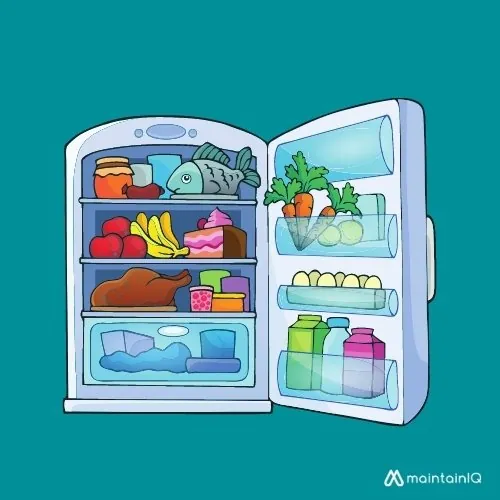
The USDA FSIS danger zone is 40°F to 140°F. For restaurants, the FDA Food Code sets cold holding at 41°F or below and hot holding at 135°F or above, and treats the range between as unsafe for your food. Within it, 70 to 125°F is where foodborne bacteria multiply fastest. The longer food sits in this range, the more bacteria grow. Our guide to techniques that prevent foodborne illness covers cooling and holding in more detail.
- 41°F
- is the most that cold food may reach (5°C)
- 135°F
- is the least that hot food may drop to (57°C)
- 6 hours
- is the total time to cool cooked food from 135°F to 41°F, in two stages
Source: FDA Food Code 2022
Now You Know!
Now you know the four principles that keep your food safe. Put them on a daily checklist, such as this food safety compliance checklist, so they happen every shift and not only when someone remembers.
If you want to move those checks off paper, MaintainIQ, an operations app for single and multi-location operators, helps you keep food safety checks and digital temperature logs on schedule, with a record of who checked and when, and it tracks preventive maintenance tasks too.
Frequently Asked Questions
What is a consequence of poor food safety principles?
Poor food safety lets bacteria grow and spread. That can lead to food poisoning, with symptoms such as vomiting and diarrhea.
It also hurts your business's reputation, which can lead to falling sales.
Poor food safety can also draw the attention of your local health department. That may lead to an investigation, fines or even the closure of your food business.
What is variance in food safety management principles?
A "variance" is a written document from the regulatory authority (usually your state or local health department) that allows a waiver or change to a Food Code requirement. It states that, in the regulator's opinion, the changed practice will not create a health hazard or nuisance. The regulator reviews each request based on the scientific evidence the applicant provides.
Some food processes need both a variance and a Hazard Analysis Critical Control Point (HACCP) plan.
What are the time and temp principles of food safety?
Controlling time and temperature slows bacterial growth in food. Under the FDA Food Code, potentially unsafe food should stay at 41°F or below, or at 135°F or above. The range between is the danger zone. A widely used rule is to throw out food that has spent more than 4 hours in total in the danger zone, and that time includes cooling and reheating. Use a thermometer and a timer to track both, and write the results on a chart. Cooling hot foods quickly is the hardest part, because the Food Code allows 6 hours in total in two stages: from 135°F to 70°F within 2 hours, then to 41°F within the next 4 hours.