Clean Cuisine, Top Hygiene Protocols Every Food Business Must Master
The hygiene protocols every food business needs, from handwashing and sanitizing to food storage, protective gear, deep cleaning and staff training.
Key takeaways
- Wash hands for at least 20 seconds in total, especially before touching food, after using the restroom and after handling raw meat.
- Keep cold food at 41°F or below, and label every container with contents and dates so the oldest stock gets used first.
- Clean and sanitize food-contact surfaces after each use with an EPA-registered sanitizer, at the strength and contact time on the label.
- Back up training with regular hygiene checks so you find weak spots in handwashing, cleaning and storage before an inspector does.
On this page
The hygiene protocols every food business must master are handwashing, cleaning and sanitizing surfaces, safe food storage, the right protective equipment, scheduled deep cleaning, and ongoing training backed by regular hygiene checks. Get these right and you stop germs from spreading, protect your customers and pass inspections with less stress.
Each hygiene protocol below comes with the practical steps your team needs, from how long to scrub hands to how to store food and choose a sanitizer. Every little detail counts, so use this guide to make hygiene the foundation of your food safety program.
Why Hygiene Reigns Supreme in Food Safety Management
In food safety management, hygiene comes first. There is a direct connection between cleanliness and the safety of the meals you serve.
Following strict hygiene protocols stops contamination before it starts and keeps the food you cook and serve safe to eat.
The Undeniable Link Between Hygiene and Food Safety
Cleanliness and food safety are closely linked. Good hygiene prevents the spread of disease-causing microbes, protects your customers’ health and builds their trust.
Good hygiene also keeps you out of legal trouble and protects your brand. It is a legal requirement, and it shows your commitment to doing things properly.
Next, let’s look at the key hygiene habits for food safety.
Essential Hygiene Practices for Optimal Food Safety
Good hygiene practices are critical for food safety in your establishment. They start with washing hands properly and removing harmful germs through regular cleaning routines.
It is also essential to clean all kitchen surfaces thoroughly, including utensils and countertops. Storing food correctly helps stop cross-contamination and spoilage.
Here is a quick overview of the four core protocols and when they apply:
| Protocol | When | What good looks like |
|---|---|---|
| Handwashing | Before touching food, after the restroom, after raw meat, after breaks | Soap, warm water and at least 20 seconds of scrubbing in total |
| Surface sanitizing | After each use and when switching between raw and ready-to-eat food | Clean first, then sanitize at the label strength and contact time |
| Food storage | Every delivery and every shift | Sealed, labeled containers and cold food at 41°F or below |
| Protective equipment | Whenever the task calls for it | Clean aprons, hair restraints, and gloves changed between tasks |
1. Mastery of Hand Hygiene: Beyond Basic Handwashing
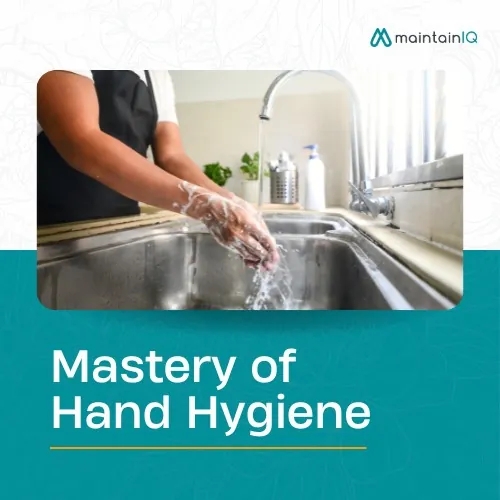
Clean hands are crucial in the food industry. Proper handwashing means lathering and scrubbing every part of the hands, including between the fingers and under the nails. The FDA Food Code requires at least 20 seconds in total, and the CDC’s handwashing guidance for the kitchen gives the same advice.
Wash especially before touching food, after using the restroom and after handling raw meat. Good hand hygiene is one of the most important things any food business can do to stay safe and sanitary.
Frequency, Technique, and Importance in Food Handling
Clean hands are crucial for food safety. To get it right every time:
- Use the proper technique, every time, for the full 20 seconds
- Wear gloves when the task calls for it, and change them between tasks
- Clean and sanitize surfaces often
- Keep raw and ready-to-eat foods apart to avoid cross-contamination
Training is what makes these practices stick. It keeps the environment clean and prevents food contamination.
2. Surface Sanitization: Ensuring Cleanliness from Counter to Cookware
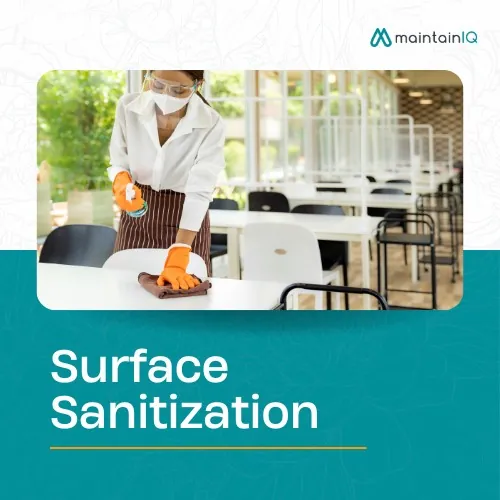
Choosing the right sanitizers and using them correctly is essential for food safety. Clean and sanitize all food-contact surfaces after use, and disinfect other surfaces, equipment and the premises on a regular schedule.
Using the right sanitizer the right way reduces contamination risk and keeps your customers safe.
Selection of Effective Sanitizers and Their Proper Use
Choose effective, food-safe sanitizers registered with the EPA to control the spread of pathogens in your food business. Follow the label for concentration and contact time so they work as intended.
Clean surfaces before you sanitize them, because sanitizers work poorly on surfaces with food residue or grease. Now that we’ve covered sanitizer selection and use, let’s look at safe food storage and how to avoid cross-contamination.
3. Safe Food Storage: Preventing Cross-Contamination
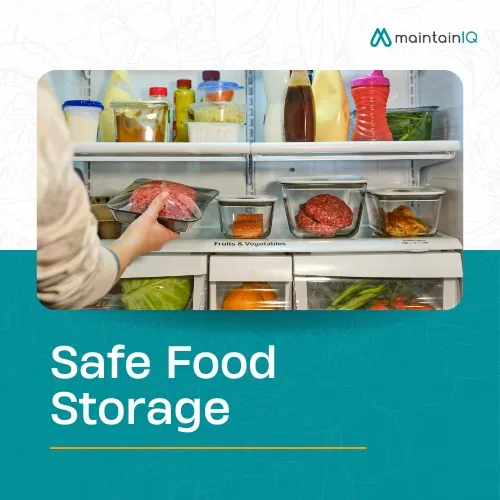
To keep food safe, practice proper storage and handling to prevent cross-contamination and keep your food fresh.
Three critical steps to avoid cross-contamination:
- Label containers clearly with contents and dates to avoid mix-ups, and use the oldest stock first.
- Store food in sealed containers to prevent spoilage and keep it fresh.
- Monitor storage temperatures to prevent bacterial growth and protect food quality. Keep cold food at 41°F or below and hot-held food at 135°F or above, the limits set by the FDA Food Code.
Building these steps into your storage routine helps create a clean and safe kitchen.
4. Personal Protective Equipment (PPE): Barrier Between Staff and Food
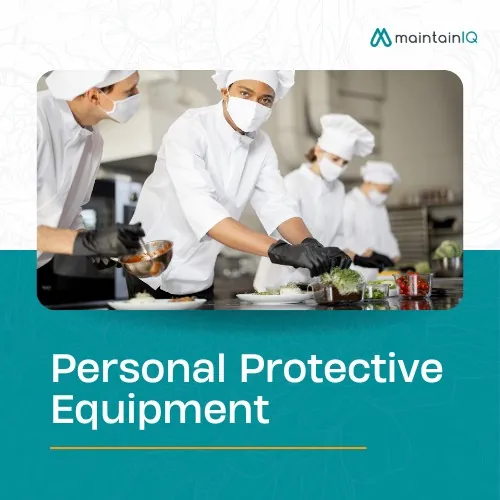
Proper PPE is one of the essential sanitation practices every food handler should know. It reduces the chance of contamination and should match each team member’s role.
Used properly, PPE such as gloves, aprons and hair restraints creates a clean barrier that blocks the transfer of contaminants. Pair it with good hygiene and safe food handling methods.
Training your staff on why PPE matters and how to use it correctly is also critical. Following these PPE guidelines can greatly improve hygiene in your kitchen.
Advanced Protocols for Enhanced Hygiene in Food Management
Regular deep cleaning and maintenance are crucial for keeping your food business clean, which in turn lowers the risk of contamination.
Train your team and run hygiene checks regularly to confirm cleanliness and spot problem areas.
Scheduled Deep Cleaning and Maintenance Routines
Regular deep cleaning of often-overlooked kitchen areas and routine maintenance are key to preventing cross-contamination and keeping customers safe.
Consider the following:
- Deep clean thoroughly. Clean frequently used equipment and hard-to-reach spots to reduce the risk from stubborn pathogens.
- Maintain equipment. Regular maintenance of food prep and storage equipment keeps it working and hygienic. Check for leaks and worn parts, and make sure everything is properly sanitized.
- Assess regularly. Regular assessments show which areas need deep cleaning or maintenance, which keeps hygiene standards high and prevents bacteria from building up.
Building these steps into your deep cleaning and maintenance routine helps keep the space safe and clean for your team and customers.
Continuous Training and Hygiene Audits for Staff
Train your team on hygiene through hands-on sessions, online courses or workshops so everyone handles food properly.
To keep everyone on their toes, have trained staff carry out regular hygiene checks to measure how well the training is working. These checks also show you which areas need more attention.
Conclusion: Prioritizing Hygiene as the Cornerstone of Food Safety Excellence
Cleanliness is key to excellent food safety. Stick to strict measures and best practices to protect your business and your customers’ well-being.
Here’s why hygiene should take center stage:
- It prevents illness. Keeping things clean wards off harmful microbes and lowers the chance of foodborne illness.
- It protects your business. Ignoring hygiene can lead to contaminated or spoiled food, legal issues and a damaged reputation, and it can put your customers at risk.
- It builds the right culture. A team that puts hygiene first makes food safety part of everyday work, which leads to better compliance.
MaintainIQ helps you turn these protocols into daily habits. Your team runs cleaning, line check and temperature log checklists on a phone or tablet, and each location shows who submitted them and when. For food safety checks on every shift, failed items can become follow-up tasks, so a warm cooler or a missed sanitizing step gets fixed, not just noted.
Frequently Asked Questions
What Are the Consequences of Not Prioritizing Hygiene in Food Safety Management?
Neglecting hygiene while handling food can lead to contaminated food, customers getting sick, failed health inspections and legal problems. It can also damage your reputation, which is hard to rebuild. Make hygiene checks part of every shift, not something you do before an inspection.
How Can Food Businesses Ensure Their Staff Members Are Properly Trained in Hygiene Practices?
Train every new hire on handwashing, surface sanitizing, safe storage and protective equipment before they handle food, and show them the steps rather than only handing out a document. Refresh training regularly, use short quizzes or observed checks to confirm people know the steps, and add hygiene items to your daily checklists so the habits stick.
Are Any Specific Hygiene Protocols Mandatory for All Food Businesses to Follow?
Yes. In the US, most state and local health codes are based on the FDA Food Code, which sets rules such as washing hands for at least 20 seconds, holding cold food at 41°F or below and hot food at 135°F or above, and cleaning and sanitizing food-contact surfaces. Check with your local health department for the version that applies to you, and use these techniques to prevent foodborne illnesses as practical next steps.
What Common Mistakes or Oversights Food Businesses Make When It Comes to Hygiene Practices?
Common mistakes include rushing handwashing, using the same cutting board for raw and ready-to-eat food, mixing sanitizer at the wrong strength, skipping hard-to-reach areas during cleaning and not recording fridge temperatures. Regular hygiene checks with a written checklist catch most of these before they cause a problem.