How Food Safety Software is Revolutionizing the Restaurant Industry
Revolutionize your restaurant with food safety software! Learn how this innovative technology is transforming the industry.
Key takeaways
- Paper food safety logs are labor-intensive and hard to enforce in a busy kitchen, so missed or late checks often go unnoticed.
- The FDA Food Code sets cold holding at 41°F or below and hot holding at 135°F or above, and software makes those checks routine.
- The main types of food safety software cover audits, inspections, traceability and training, and many products combine several.
- When a check fails, good software turns it into a follow-up task with an owner, so the problem gets fixed instead of just logged.
On this page
Food safety software is changing the restaurant industry by replacing paper logs and clipboards with digital checklists, temperature records and inspection reports that staff complete on a phone or tablet. Managers can see which checks were done, who did them and when, at one location or many, and a failed check becomes a follow-up task instead of a note nobody reads. That makes it far easier to stay inspection-ready, even with a short-staffed team.
Food safety is a critical issue for every restaurant. Restaurants of all sizes are held to high standards for the quality and safety of their food, yet with rising wages and a difficult labor market, it can be hard to keep up with food safety regulations.
Food safety software helps you track compliance with local, state and federal regulations and keeps your records up to date and organized.
With food safety management software, you can hold every shift to the same high standard for food quality and safety while creating a safer environment for your customers.
The Evolution of Food Safety Practices and the Need for Food Safety Software
You’re probably familiar with traditional food safety practices, such as keeping food at the right holding temperatures and making sure kitchen utensils are clean.
However, these measures alone don’t always keep food safe in a restaurant.
Problems slip through when nobody is monitoring the checks or following up on them, which is why more restaurants are turning to food safety management software.
Food safety software helps you watch your operation more closely and meet compliance standards, however many staff you have on a given shift.
Traditional Food Safety Practices
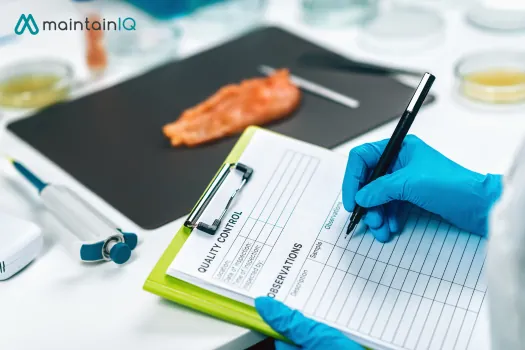
It’s no secret that traditional food safety methods (pen and paper) have been the go-to for years, but they’re quickly becoming a thing of the past.
These practices focus on safe handling, food temperature control and regulatory compliance. Preventing cross-contamination and following proper food storage guidelines are also central to traditional food safety routines.
Temperature control is the clearest example. The FDA Food Code requires cold food to be held at 41°F (5°C) or below and hot food at 135°F (57°C) or above. Cooked food must cool from 135°F to 70°F within 2 hours, then to 41°F within the next 4 hours. On paper, each of those checks depends on someone remembering to take the reading and write it down.
However, these methods can be labor-intensive and difficult to enforce in busy restaurants.
Here’s how paper and digital records compare on everyday food safety checks:
| Paper logs | Food safety software | |
|---|---|---|
| Temperature checks | Written on a sheet, often filled in at the end of the shift | Entered on a phone or tablet with the time and the person’s name |
| Missed checks | Found days later, if at all | Shown as overdue on the same day |
| Failed readings | A note on the log | A follow-up task with an owner and a status |
| Records for inspectors | Binders to dig through | A searchable history you can export |
| Several locations | Visit each site to check | One view of every location |
That’s why it’s worth considering how technology can improve restaurant operations and strengthen food safety, starting with a digital temperature log that shows who checked and when.
Challenges with Traditional Practices and the Need for Food Safety Management Software
You’re not alone if you struggle to keep up with traditional food safety routines, and it may be time to change how you manage them.
Getting complete adherence to these standards can be overwhelming without food safety management software.
Here’s why:
-
Automated auditing: You need every record updated and accurate at all times, which is tedious and time-consuming when it’s done by hand on paper.
-
Traceability tracking: Keeping track of every ingredient’s source from farm to table is essential but complicated to do by hand.
-
Compliance monitoring: Checking that every staff member follows your food safety routines can take hours each week without a digital system.
These complications make it clear that moving to a more efficient system, like food safety management software, makes sense.
It helps restaurant owners save time and money while protecting their customers’ health.
To understand the advantages better, let’s look at what food safety software is and the main types available.
Understanding Food Safety Software and its Varieties
Food safety software covers several categories: audit, inspection, traceability and training software.
Many food safety software companies offer one or more of these types, each with its own features.
What is Food Safety Software?
Food safety software is a program that helps businesses meet food safety standards and regulations efficiently.
It supports food quality assurance and risk management by giving you an automated system for following food safety procedures and tracking the results.
Here are some of the key benefits of using food safety software:
- Automated record-keeping that tracks your products and food safety records
- More accurate data entry and storage
- Simpler processes for managing food safety routines
- Clear visibility into food safety records and the follow-up tasks created from them
- Greater customer confidence through consistent quality
When a check fails, good food safety software doesn’t just record it. It turns the problem into a follow-up task with an owner, so the cooler gets repaired or the food gets thrown out, and you can see when it was done.
Food safety software gives restaurants a complete way to protect their products and customers without adding hours to every shift.
By making an informed choice, you can make sure your business has the right tools to maintain food safety standards and keep your customers safe.
Different Types of Food Safety Software: Audit, Inspection, and Training Software
Food safety software is changing the way businesses manage their food products, with tools that support compliance and customer confidence.
Audit software makes it easy to track and monitor the data behind your food safety standards, which reduces compliance problems and safety risks.
Inspection software lets you run in-depth checks of every food-related process and procedure, and tracking tools keep employees informed about changes to their daily tasks. Training software keeps procedures fresh for new and existing staff.
| Type | What it does | Typical records |
|---|---|---|
| Audit software | Scores each location against your food safety standards | Audit scores, failed items, follow-up tasks |
| Inspection software | Guides staff through daily and weekly checks | Line checks, temperature logs, cleaning checks |
| Traceability software | Tracks where ingredients came from and where they went | Supplier details, lot numbers, receiving logs |
| Training software | Teaches and refreshes food safety procedures | Training records and staff sign-offs |
With these tools, restaurants are better equipped than ever to maintain high food safety standards while reducing the risk of health hazards.
Food Safety Software Companies and their Offerings
Food safety software lets restaurant owners track their food products and stay compliant with industry standards. Some products also track inventory.
Compliance features include automated audits, inspections and training systems that you can configure to fit the needs of your business.
Quality assurance improves through detailed reporting on trends in your own operation, which you can use to make adjustments as needed.
By putting modern technology to work, these companies help create a safer environment for diners and give restaurant operators peace of mind.
The Impact of Food Safety Compliance Software on the Restaurant Industry
Food safety compliance software helps you follow food safety regulations more closely, run food safety tasks more efficiently and build customer confidence and trust.
Used well, these features help make sure every customer has a safe and pleasant dining experience.
Improving Compliance with Food Safety Regulations Using Food Safety Compliance Software
With food safety compliance software, it’s easier to keep up with regulations.
The software improves accuracy and cuts the cost of staying compliant while simplifying the work involved.
It also gives management clearer oversight, with timely updates on the checks and regulatory changes that could affect operations. That reduces the risks and potential liabilities that come with food safety violations.
With more accurate compliance tracking, restaurants can manage their people and time more efficiently.
Enhancing Efficiency in Food Safety Management with Food Safety Management System Software
Complying with food safety regulations is essential, but it can be time-consuming and complicated.
Food safety compliance software simplifies the process by helping restaurants keep track of the local, state and federal rules that apply to them.
Beyond compliance, restaurants also have to run the day-to-day side of the business efficiently.
This is where food safety management system software can help.
Food safety management system software keeps digital records of every food-related process in your restaurant.
It sends alerts when a step needs to be taken or something needs to be reviewed or updated.
Boosting Customer Confidence and Trust with Restaurant Food Safety Software
Food safety software can change how customers see your restaurant’s quality and integrity.
It supports preventive measures that reduce risk and helps you stay on top of regulatory requirements.
Customers feel safe knowing their meal is prepared with real care for their health.
Their trust grows when they see your restaurant taking proactive steps to meet food safety standards.
The Future of Food Safety in the Restaurant Industry with Food Safety & Quality Software
Predicted trends point to technology playing a bigger role in restaurant kitchens, and food safety and quality assurance software is part of that shift.
More restaurants are building written food safety plans and tracking them digitally instead of in binders.
With these tools at their disposal, operators are shaping a safer future for the restaurant industry.
Predicted Trends in Food Safety Technology: Food Safety Tracking Software and More
New food tracking technology is changing how restaurant meals are monitored and prepared.
Food safety software builds a culture of safety, encourages compliance with regulatory standards and supports quality assurance through automated tools.
Common features include:
- Food safety tracking software
- Automated reporting
- Quality control procedures
- Regulatory compliance tools
The Role of Food Safety Plans in Shaping the Future
A written food safety plan, such as a HACCP plan, helps you take control of food safety regulations and protect your business in the future.
The plan identifies the points where hazards can enter your food, such as receiving, cooking and cooling, and sets a limit for each one. Software turns those limits into scheduled checks, so staff know what to check and when, and it makes training employees on the steps easier.
Tracking the results lets you quickly spot the areas that need improvement and fix problems before they reach a guest.
By using technology this way, you can do what’s needed to meet food safety regulations and keep your customers safe.
How MaintainIQ Food Safety Software Helps Restaurants
MaintainIQ is a checklist, temperature log and maintenance app for restaurants and other operators, from a single location to many. It runs your food safety checklists and temperature logs on iPhone, iPad and Android devices, including readings from supported Bluetooth probes. Failed items can create follow-up tasks, audits score each location as a percentage and letter grade, and daily summary emails show how every location did. It is priced per location with unlimited users.
Conclusion
Restaurants of all sizes have benefited from this technology, which helps them hold every shift to the same food safety standard with less paperwork.
Food safety software isn’t just a trend. It’s an essential tool that will keep changing the restaurant industry for years to come.
Frequently Asked Questions
What are the costs associated with implementing food safety software?
Costs depend on the product and how it is priced. Some tools charge per user and others per location, and you should also factor in setup, training and the time your team saves on paperwork. MaintainIQ is priced per location with unlimited users; see the pricing page for current plans.
Does food safety software require ongoing maintenance?
Yes, but the vendor handles most of it. Cloud-based food safety software is updated automatically, and your records are backed up and stored securely. On your side, keep your checklists and temperature limits current whenever regulations, equipment or your menu change.
Are there any potential privacy concerns related to using food safety software?
Data collection, storage and access by third parties are all worth checking when you evaluate food safety software for your restaurant. Ask the vendor where your data is stored and who can see it. User roles and audit trails help make sure only authorized people can view or change your records.
How user-friendly is food safety software?
Most modern food safety software is built for busy kitchen staff, with simple yes/no items and checklists on a phone or tablet. It is designed to make a restaurant manager’s day easier while keeping customers safe. Test it with a few of your own staff before rolling it out; if a new hire can finish a checklist without help, it is easy enough.
Are there any potential risks associated with using food safety software?
The main risks are inaccurate data and compliance gaps, for example when readings are entered carelessly or checklists no longer match current rules. Proper user training, regular reviews of your checklists, cloud storage and timely software updates address most of them.