The Ultimate Guide To Preventive Maintenance For Restaurants
Preventive maintenance for restaurants, step by step: which kitchen equipment needs care and how often, how to build a checklist, and when to call a pro.
Key takeaways
- Clean refrigeration condenser coils every month or two (monthly in busy kitchens) and keep the area around them free of dust and debris.
- Keep one list of every piece of kitchen equipment with its service schedule, past repairs and planned replacements.
- Wipe ice machine interiors weekly with a sanitizing solution and check hoses and connections for wear before they leak.
- Under NFPA 96, hoods are inspected monthly for solid-fuel cooking, quarterly for high-volume cooking and yearly for low-volume kitchens.
On this page
Preventive maintenance for restaurants means inspecting, cleaning and servicing your kitchen equipment on a set schedule, so it doesn’t break down in the middle of service. Done well, it keeps food safe, lowers fire risk, trims energy bills and cuts the number of emergency repair calls. The core of it is simple: know what equipment you have, decide how often each piece needs attention, and make sure someone does the work and records it.
A well-functioning kitchen is essential to serving good food quickly and safely. This guide covers why preventive maintenance matters, which equipment needs regular care and how often, how to build a maintenance plan and checklist, where software helps, how maintenance affects energy use, and when to call in a professional.
1. Understanding the Importance of Preventive Maintenance in Restaurants
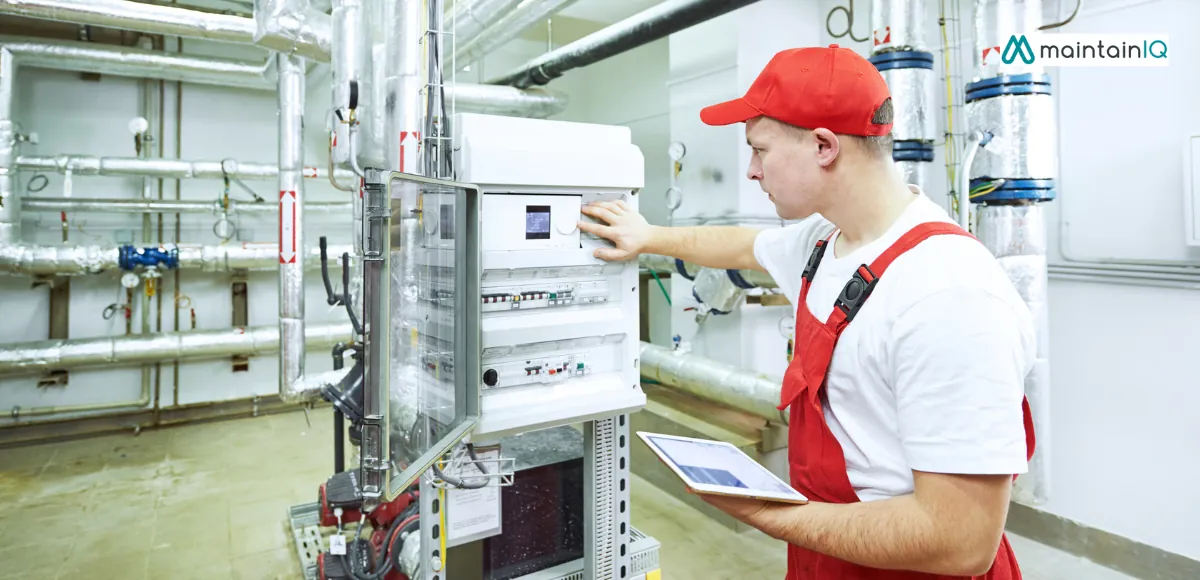
Regular maintenance improves the customer experience, helps reduce the risk of fire hazards, and makes it easier for restaurant managers and operators to keep things running smoothly.
Taking the time to do preventive checks saves money in the long run and gives you peace of mind that operations are going to plan.
1.1. Enhancing Customer Experiences through Regular Maintenance
Regular maintenance is part of what keeps guests coming back. Nobody enjoys a meal under a dripping vent or next to a restroom that’s out of order.
Maintenance management systems, preventive maintenance checklists and scheduled tasks help you create an atmosphere of safety and reliability. Your customers will notice the extra attention to their comfort and security, even if they never see the work behind it.
Regularly scheduled inspections and repairs also reduce the risk of fire, so your guests can relax while they dine with you.
Proactive safety steps are a big part of creating a place where customers feel secure and confident about coming back soon.
1.2. Reducing the Risk of Fire Hazards with Preventive Measures
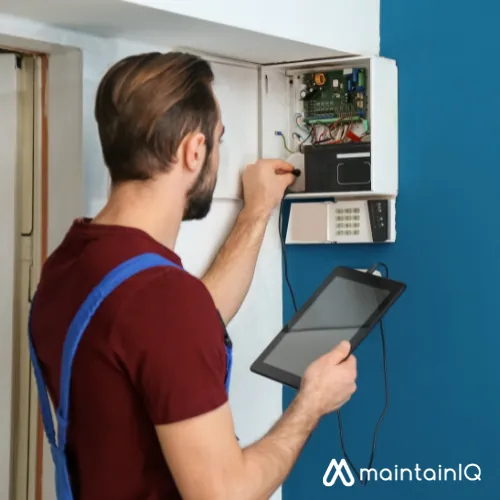
Preventive measures reduce the risk of fire and keep your customers safe. A complete maintenance plan should include the following:
- Develop a preventive maintenance program that finds deficiencies that could lead to a fire.
- Perform routine inspections and repairs on all kitchen equipment.
- Set clear safety procedures for all staff members.
When it comes to restaurant operations, prevention is key. Regular checks for fire hazards keep customers safe and make the day smoother for managers and operators alike. A digital task management system makes those checks easier to assign and follow up on.
1.3. Ensuring Smooth Operations for Restaurant Managers and Operators
Keeping operations smooth can feel like a roller coaster ride. Some days are bumpy, but the right preventive measures make the ride far more predictable.
Regular maintenance of kitchen equipment is especially important for managers, because it helps prevent sudden breakdowns and costly repairs. A maintenance log shows what was serviced, when and by whom.
Make sure all key components are checked and serviced regularly by qualified people. That should be part of any preventive maintenance program.
2. Key Components of Restaurant Equipment for Regular Maintenance
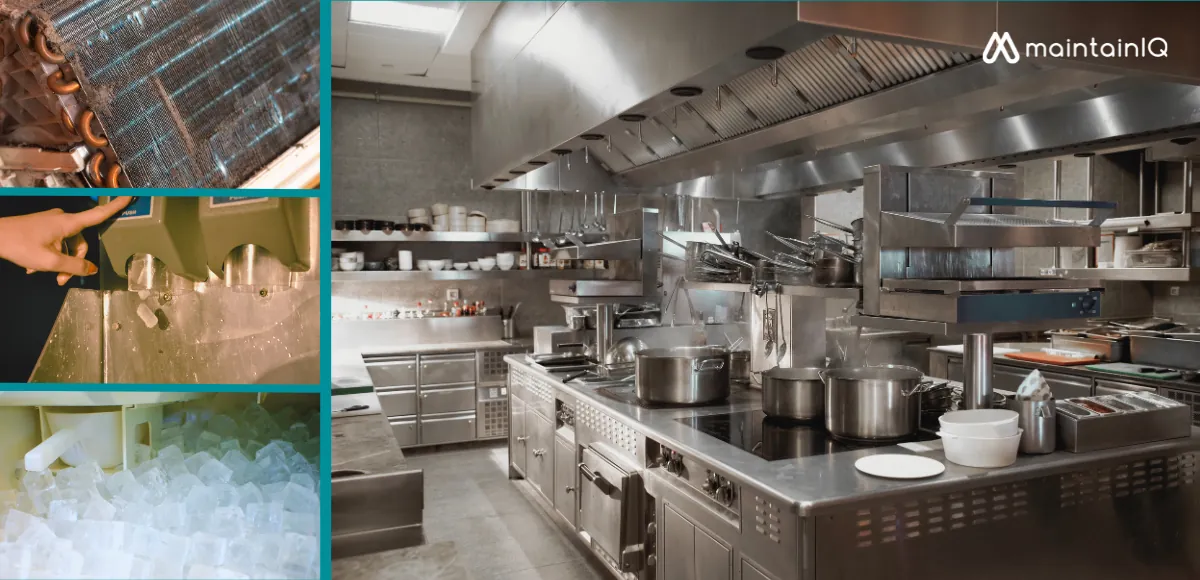
Maintaining your restaurant’s equipment is essential to its success. That starts with understanding the critical role of kitchen equipment and the pieces that need special attention, such as condenser coils and ice machines.
Regular preventive maintenance keeps your restaurant running smoothly and efficiently, so you can focus on your guests. A commercial kitchen maintenance checklist is a good place to start.
2.1. The Critical Role of Kitchen Equipment
You can’t afford to ignore the role kitchen equipment plays in keeping your restaurant running. From refrigerators and ovens to dishwashers and fryers, these machines are essential to day-to-day operations.
Here are four reasons preventive maintenance of kitchen equipment is so important:
- Equipment maintenance keeps food safe by making sure refrigeration, cooking and holding equipment works correctly.
- Good maintenance software makes it easy to track repairs and schedule regular servicing.
- Preventive maintenance helps you avoid costly downtime that can cause serious financial losses.
- Well-maintained equipment uses less energy, which lowers your utility bills.
The safety of your customers, your employees and your profits depends on well-maintained kitchen equipment. Keeping it running efficiently is a must for any owner or manager who wants to succeed in this industry over the long term.
2.2. Importance of Maintaining Condenser Coils
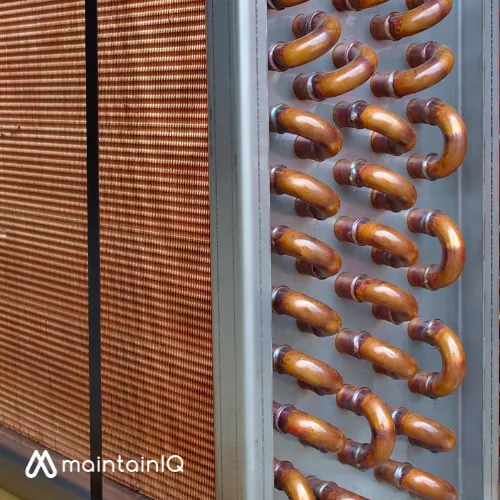
For restaurant owners, this means setting up and following a detailed equipment maintenance checklist. That checklist should include regularly cleaning condenser coils to keep refrigeration running efficiently and prevent costly repairs. Clean them every month or two, and monthly in high-usage kitchens.
The U.S. Department of Energy gives the same advice for air conditioners: keep the area around the condenser free of dirt, dust and debris so it can perform at its best. It also pays to check that all connections are secure.
Some equipment needs its own routine. Ice machines, for example, have specific cleaning steps that should be part of your preventive maintenance program. Taking these extra steps with specialized equipment keeps it running safely and helps you avoid unnecessary repairs or downtime.
2.3. Special Considerations for Ice Machines and Other Unique Equipment
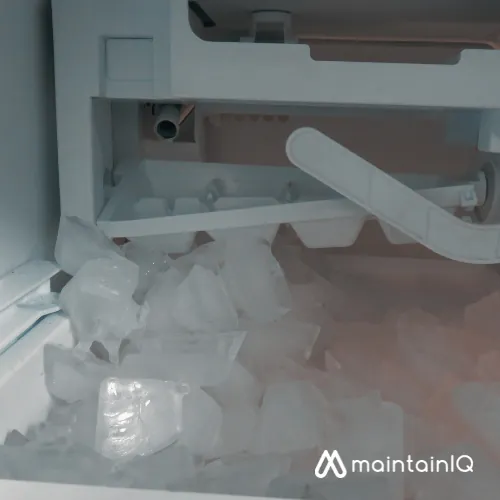
Ice machines and other specialized equipment need a close eye and a little extra care. Restaurant operators should be aware of the risks these machines carry, from water leaks to electrical faults.
To keep your restaurant safe and compliant, follow these steps for ice machines and other unique equipment:
- Clean all components regularly. Wipe ice machine interior surfaces weekly with a sanitizing solution, and wash exterior surfaces every few months.
- Inspect hoses and connections. Look for signs of wear or damage, which can lead to leaks.
- Make sure all parts are securely fastened. Loose screws or wires can create an electrical hazard.
- Check the temperature control settings. Colder settings increase the risk of frost buildup in the machine.
- Test safety features regularly. Check that the buttons or switches that cut the power work when you need them.
Following these tips reduces the risk of electrical faults and fires while keeping your customers safe. This kind of preventive maintenance is also a building block of a successful long-term plan for your restaurant.
2.4. How Often to Service Common Restaurant Equipment
How often each piece needs attention depends on the equipment, how hard it works and the manufacturer’s manual. These are sensible starting points, and two of them come from fire codes your inspector will check against.
| Equipment | Task | How often |
|---|---|---|
| Refrigeration condenser coils | Clean the coils and clear dirt and debris around the unit | Every month or two, monthly in busy kitchens |
| Ice machines | Wipe interior surfaces with a sanitizing solution | Weekly |
| Hoods and exhaust systems | Inspect for grease buildup (NFPA 96) | Monthly for solid-fuel cooking, quarterly for high-volume cooking, twice a year for moderate volume, yearly for low volume |
| Portable fire extinguishers | Visual inspection and maintenance (NFPA 10) | Monthly visual check, yearly maintenance |
| Everything else | Follow the manufacturer’s service schedule | As the manual says, more often under heavy use |
The hood and exhaust frequencies come from NFPA 96, the standard for ventilation and fire protection of commercial cooking operations. “High volume” means kitchens running around the clock or doing a lot of charbroiling or wok cooking. “Low volume” covers places like seasonal or church kitchens.
3. Developing an Effective Maintenance Plan for Restaurants
A checklist of preventive maintenance tasks and a regular schedule for them are the key elements of any successful plan, and you play an important role in carrying it out. Our water heater preventive maintenance checklist shows how detailed the list for a single piece of equipment can get.
With careful planning and regular follow-through, you can keep your restaurant’s equipment in top condition.
3.1. Essential Elements of a Restaurant Equipment Maintenance Checklist
A complete equipment maintenance checklist protects the safety and efficiency of your restaurant. Review and update it regularly so it keeps up with health codes, industry standards and best practices. That way, you avoid costly repairs or replacements that proper preventive maintenance would have prevented.
3.1.1. Creating a Comprehensive Checklist
A complete checklist keeps a restaurant’s operations running smoothly. Start with an organized list of all the commercial kitchen equipment you have. A restaurant equipment checklist makes a good template.
A thorough list should include:
- Each piece of equipment and where it is
- Its maintenance schedule
- Repairs it has needed
- Planned replacements
Make sure every staff member can find this information easily, so every item gets checked regularly and maintained properly.
3.1.2. Importance of Regular Checklist Review and Update
Review and update your checklist regularly to keep it useful. A digital checklist makes this easier, because you change it once and everyone works from the new version.
Look at it periodically to confirm that every area of the restaurant is covered. Consistent preventive maintenance prevents breakdowns and saves time, money and energy, while giving customers a better experience.
Regular reviews also help you spot potential issues before they become serious, so you avoid costly repairs down the line.
3.2. Scheduling and Implementing Preventive Maintenance Tasks
Planning and carrying out regular maintenance tasks keeps your restaurant running smoothly. Build a list of the tasks that need to happen on an ongoing basis, including:
- Cleaning, sanitizing and restocking supplies in storage areas.
- Inspecting kitchen appliances.
- Making sure electrical outlets are properly maintained.
- Keeping up with food safety rules and procedures.
A preventive maintenance schedule keeps you organized and makes sure these tasks are done on time, for the best possible safety and efficiency.
Taking proactive steps makes it easier to spot problems early, before they affect operations or put customers at risk. That gives you peace of mind that your restaurant is safe and secure.
3.3. Role of Restaurant Managers in Maintenance Plan Execution
As the restaurant manager, you’re responsible for training your staff to carry out the maintenance plan. That includes explaining why preventive maintenance matters, how to use equipment properly and the safety procedures that apply to each piece of equipment.
3.3.1. Training and Educating Managers
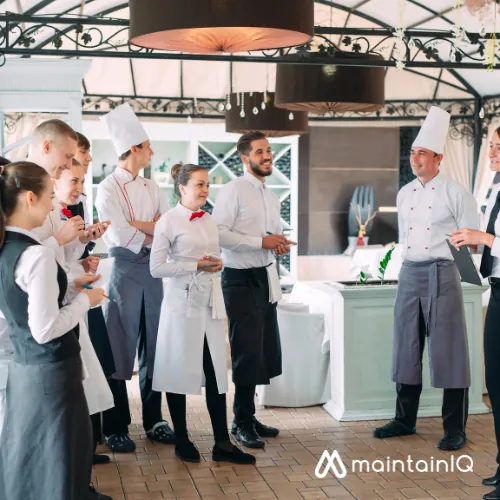
Training managers is essential for a well-run restaurant. They need to know every preventive measure required to keep the environment safe.
Their training should cover:
- Safety procedures
- Proper food storage
- Sanitation procedures
- How to handle emergencies
With this knowledge in place, managers can confidently monitor and evaluate how well the plan is being carried out.
3.3.2. Monitoring and Evaluation of Plan Execution
Evaluation means watching every part of the plan and looking for problems, such as staff not following procedures correctly or equipment not performing as it should.
This kind of review shows where a fix or follow-up task is needed before a small issue becomes a major one. It also tells managers whether the preventive maintenance plan is doing its job and protecting the business from costly downtime.
With a solid evaluation process, your preventive maintenance plan stays on track and keeps your restaurant safe and successful. To make the process more efficient, consider a maintenance management system.
4. Utilizing Maintenance Management Systems in Restaurants
If you want to streamline your restaurant’s operations, a maintenance management system is worth a look. Maintenance software gives you a clear picture of the daily running of your restaurant and can help reduce costs.
Key features to look for include repair tracking and monitoring of equipment performance. The software should also produce reports on preventive maintenance tasks.
4.1. The Value of Maintenance Software for Restaurants
Keeping up with maintenance in a restaurant can be challenging. Moving preventive maintenance onto the right software makes it much easier and more efficient.
When you compare options, weigh the benefits against your selection criteria so you get the most out of your investment.
4.1.1. Benefits of Digitizing Maintenance Processes
Digitizing maintenance can cut costs and save resources. You can track assets and schedule preventive maintenance tasks more efficiently, which helps you spot problems before they happen. The result is fewer surprises and less unplanned downtime.
It also gives you a better understanding of each piece of equipment’s actual condition and performance over time. Digital records improve safety because you can see the condition of your equipment as it changes and follow up on fixes quickly. They also cut the time spent on manual data entry, so you can focus on higher-value work.
4.1.2. Selection Criteria for Maintenance Software
The right maintenance software saves you time and money, so weigh all the selection criteria before you decide. Our guide to choosing preventive maintenance software goes deeper.
Look for a system that:
- Is cloud-based and works well alongside your existing restaurant systems
- Has an easy-to-use interface
- Sends alerts and notifications before tasks are due
- Offers complete reporting
4.2. How Maintenance Management Systems Streamline Operations
Managing maintenance with a digital system can change how you run your business. No more tedious paperwork or manual tracking.
With a maintenance management system, restaurants typically get:
- Scheduled tasks and reminders, so daily duties are completed on time.
- The ability to track expenses and spare parts.
- Mobile access, so teams can complete tasks wherever they are.
- Live data for quick decisions.
These features streamline operations and give you peace of mind that safety procedures are in place and followed.
As a result, restaurant owners can be confident that their customers will have an enjoyable experience every time they visit.
Now is a good time to bring your restaurant’s preventive maintenance program up to date.
4.3. Key Features to Look for in Restaurant-Specific Maintenance Software
If you’re looking for a maintenance management system built for restaurants, certain features make it easier to manage operations and keep customers happy.
A good restaurant-focused system, such as a mobile preventive maintenance app, should:
- Track all of your equipment
- Schedule preventive maintenance tasks automatically
- Track and report on work as it happens
- Keep an organized list of spare parts
With the right software, you can easily schedule regular checks on refrigeration systems, exhaust hoods, grease traps and other equipment that could become a health hazard if it isn’t properly maintained.
The right system also improves efficiency by reducing downtime from unexpected failures and repairs.
That’s why investing in the right software matters for any restaurant. It streamlines operations and improves the customer experience.
5. The Impact of Preventive Maintenance on Energy Efficiency

Energy is a major running cost for any restaurant, and poorly maintained equipment wastes it. Regular inspections and preventive tasks such as replacing filters, lubricating moving parts and recalibrating thermostats keep your equipment running efficiently and help control these costs.
5.1. How Regular Maintenance Reduces Energy Bills
Here are some of the ways regular maintenance reduces energy bills:
- Cleaning filters regularly keeps air circulating properly and reduces strain on the system.
- Checking for leaks and replacing or repairing worn seals and gaskets prevents costly water damage and keeps cold air where it belongs.
- Inspecting hoses and lines for wear stops energy from being wasted through leaks.
- Proper lubrication keeps moving parts working smoothly, which reduces friction and saves energy.
- Replacing burnt-out lights with more efficient models cuts electricity use.
A proactive approach to preventive maintenance gets the most out of your equipment while keeping costs down, in both time and money.
5.2. The Relationship Between Equipment Health and Energy Consumption
Regular maintenance can help reduce energy costs for your restaurant. But why does it work?
The answer lies in the relationship between equipment health and energy consumption.
When your equipment is working at its best, it doesn’t need to draw as much power to run properly. You don’t pay for unnecessary usage, and those savings add up over time.
On the other hand, a piece of equipment that isn’t working correctly can use far more energy than it should and cost you even more money.
5.3. Strategies for Maximizing Energy Efficiency Through Maintenance
You can get the most out of your energy spend by taking the right maintenance steps. Regularly inspecting, cleaning and repairing your kitchen equipment keeps it running as efficiently as possible, which reduces energy use and stops problems before they become too costly.
In practice, that means:
- Cleaning condenser coils and filters on schedule
- Checking door gaskets on coolers and freezers so they seal properly
- Recalibrating thermostats so equipment doesn’t run hotter or colder than it needs to
- Fixing leaks as soon as you find them
6. Best Practices for Preventive Maintenance in Commercial Kitchens
As a business owner, you already understand the value of preventive maintenance in your commercial kitchen.
The best practices come down to three things: regular inspection and cleaning, trained staff, and professional help for complex tasks. Together, they help you get the most out of your investment in commercial kitchen equipment.
6.1. Regular Inspection and Cleaning: A Proactive Approach
Regular inspections and cleaning are the heart of proactive preventive maintenance, and they reduce the risk of equipment failures. To keep your kitchen running smoothly, take these proactive steps:
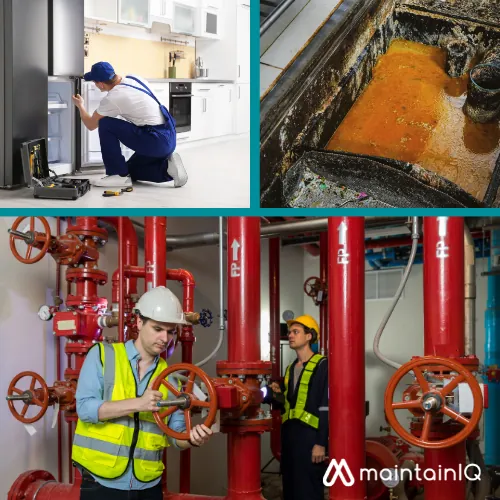
- Check refrigeration coils, door seals and gaskets on coolers and freezers.
- Clean grease from hoods, fans, filters and fire suppression equipment.
- Test emergency lighting to make sure it works.
These tasks help prolong the life of your equipment and protect the staff and customers who rely on it.
Regular inspections and cleaning help you catch problems earlier, which means fewer costly repairs down the line. The next step is training your staff on equipment care and maintenance.
6.2. Training Staff on Equipment Care and Maintenance
Once regular inspections and cleaning are in place, focus on training your staff to care for and maintain your equipment properly.
As a business owner, you’re ultimately responsible for safety in the workplace. Thorough training helps every employee follow the right procedures when using restaurant equipment.
Your staff should know how to operate each piece of equipment safely and how to clean it properly after use. They also need to know the basic steps to take if something goes wrong or malfunctions while in use.
When you bring in professional help for complex maintenance tasks, make sure they have the experience to do the job correctly.
6.3. Seeking Professional Help for Complex Maintenance Tasks
Getting the right professionals for complex maintenance tasks keeps your business running smoothly. You may need professional help to repair or replace major kitchen equipment, for plumbing and electrical work, or for any other complicated issue.
Make sure anyone you hire has the proper credentials, experience in the industry and a good reputation.
Here are some tips for finding the right professional:
- Ask around. Other restaurant owners can tell you who they use for maintenance.
- Get quotes from at least three professionals to compare prices and services.
- Read online reviews to get an idea of the quality of service each one provides.
Reaching out for professional help when you need it is key to keeping your restaurant safe and healthy. Don’t be afraid to ask questions before you decide.
Conclusion
Preventive maintenance is one of the most useful habits a restaurant can build. Taking the time to inspect and maintain your equipment on a schedule pays off in the long run.
It keeps things running smoothly and saves money on energy and repairs. It’s also an investment in the safety of your customers and staff.
The less time you spend dealing with costly breakdowns, the more time you have for what matters: a great experience for everyone who visits your restaurant.
If you want to run this kind of program from a phone or tablet, the MaintainIQ preventive maintenance app sets a service frequency for each piece of equipment, shows what’s due and overdue, and keeps the service history and preferred vendor in one place. You can assign each task to a person or a role, and it’s priced per location with unlimited users. The same checklist and maintenance app also runs your daily checklists.
Frequently Asked Questions
What is the most cost-effective way to perform preventive maintenance?
Keeping your restaurant well maintained is key to a safe environment for customers and employees.
The most cost-effective approach is preventive maintenance: regularly scheduled inspections, tests and parts replacement that catch problems before they turn into emergency repairs.
How can I ensure that my restaurant staff understands the importance of preventive maintenance?
As a restaurant manager, you want your staff to understand why preventive maintenance matters to the business.
Explain how it affects everyone's safety and well-being. Preventive maintenance reduces breakdowns and extends the life of equipment, which lets employees work more productively and efficiently.
What are the most common types of maintenance issues that restaurants face?
Restaurants face many common maintenance issues, from broken kitchen appliances to clogged drains and faulty wiring.
These problems can come up at any time and can lead to safety hazards.
Deal with them quickly to prevent further damage or discomfort for your customers.
What is the best way to keep track of preventive maintenance schedules?
Start with an up-to-date equipment inventory so you know exactly what needs servicing.
Then use a digital system that tracks when each task is due and who completed it.
It helps prevent breakdowns and saves time and money in the long run, because repairs get done quickly and nothing slips through the cracks.
How often should preventive maintenance be done in a restaurant?
It depends on the type of equipment, how often it's used and how old it is. Start with the manufacturer's recommendations and service more often when equipment works hard.
Some tasks follow set rules. Under NFPA 96, hood and exhaust systems are inspected monthly for solid-fuel cooking, quarterly for high-volume cooking, twice a year for moderate volume and once a year for low volume.