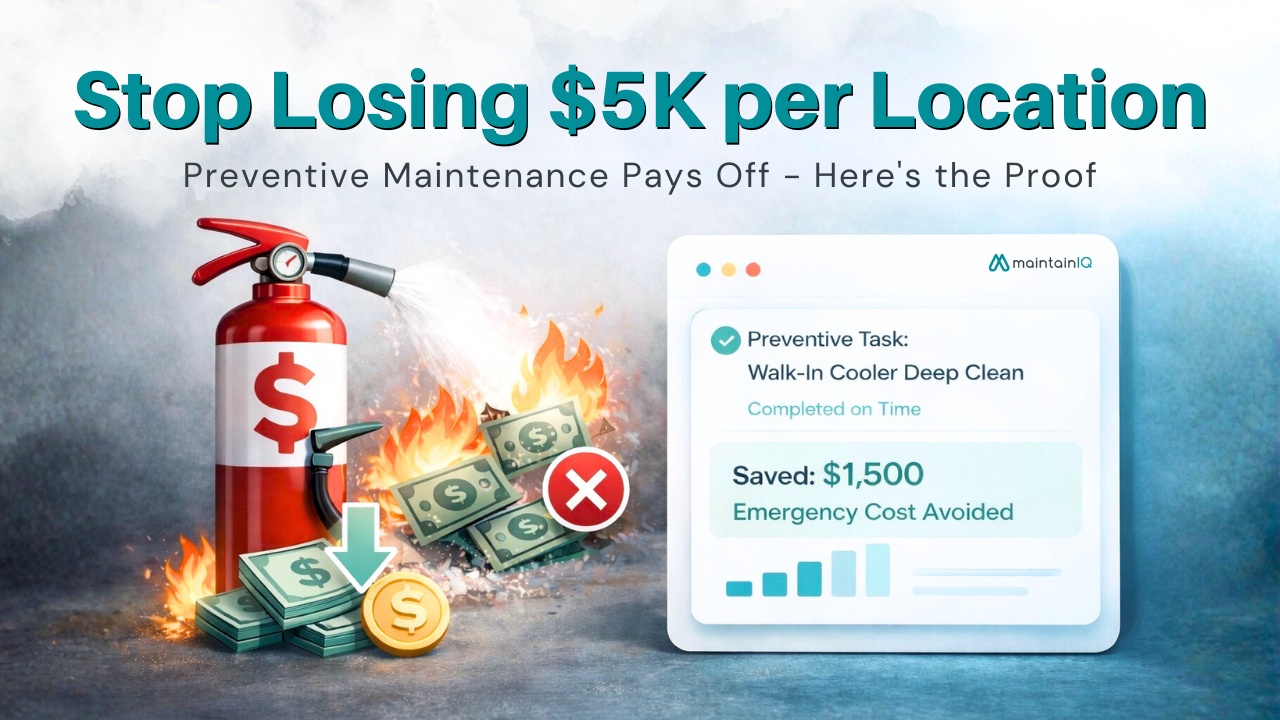
Most restaurant maintenance budgets aren't built — they're discovered, one surprise invoice at a time. A fryer goes down in March, a walk-in compressor in July, a rooftop HVAC unit in the first heat wave of August. The bills arrive one at a time, each one handled as its own small emergency, and...

Preventive Maintenance
Prep List Automation: How to Cut Food Waste and Labor Costs in Your Kitchen
The prep list is the most overlooked document in the kitchen, and it quietly controls two of the three biggest costs you have. Prep too much, and tomorrow morning you're scraping product into the trash. Prep too little, and you're 86'ing items mid-rush, pulling cooks off the line to catch up, and...
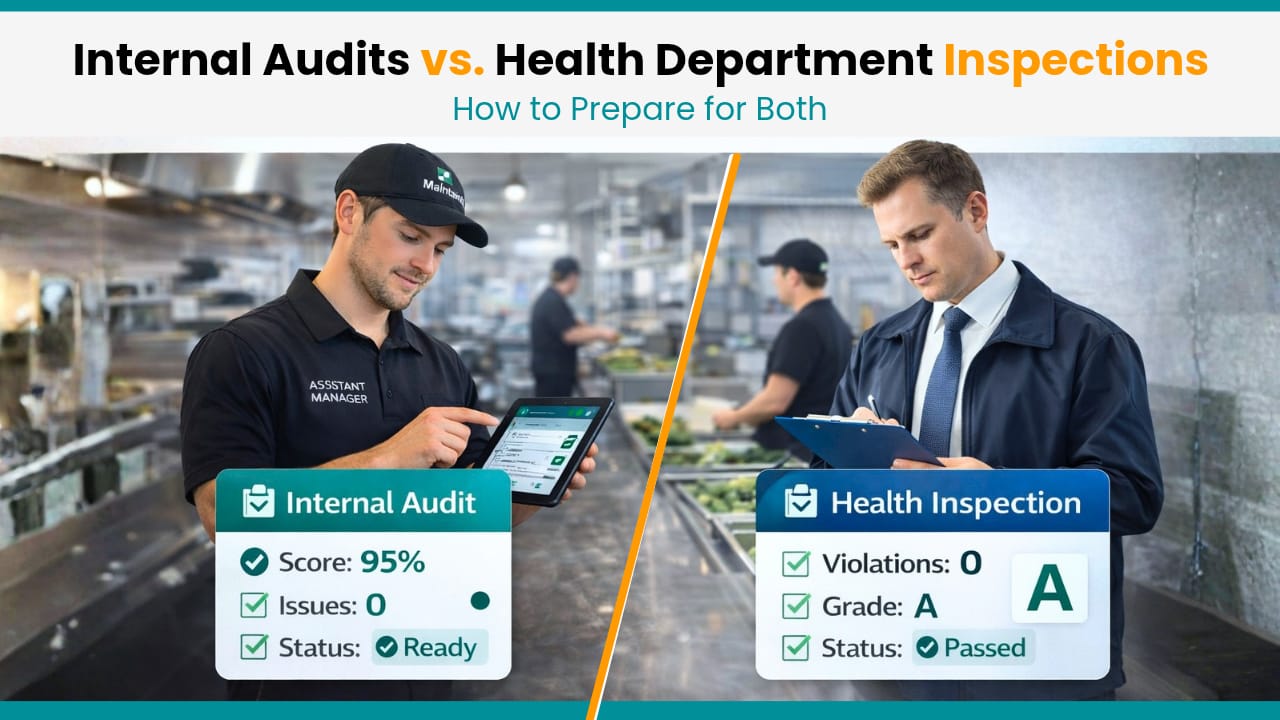
Internal Audits vs. Health Department Inspections: How to Prepare for Both
A health inspector can walk into any of your locations unannounced, at any time. In most jurisdictions, restaurants are inspected one to four times per year, and the results — including violations — are often posted publicly online. One failed inspection doesn’t just mean a fine. It means a low...
How Digital Temperature Monitoring Prevents Food Safety Violations
The CDC estimates that temperature abuse contributes to nearly 40% of foodborne illness outbreaks linked to restaurants. If you’re still relying on manual spot checks, you’re leaving compliance — and your customers’ health — to chance. Digital temperature monitoring closes the gaps that paper logs...
Mastering Hotel Operational Consistency From the Front Desk to Guest Room Inspections
A hotel is a symphony—when one instrument falls out of tune, guests hear the discord. You've built your brand on promise, but a lack of Hotel operational consistency between properties erodes trust faster than a single bad review. From the moment a guest approaches your front desk...
How Restaurant and Hotel Owners Eliminate the Firefighting Tax and Save 5000 Dollars Annually Per Location
A single walk-in cooler failure at 2 a.m. can cost a restaurant or hotel operator around $15,000 in spoiled inventory, emergency repairs, and lost revenue—and it happens because most locations operate in a reactive firefighting mode instead of...