The Ultimate Guide to Identifying and Cleaning Condenser Coils
A guide to cleaning condenser coils on coolers, freezers and HVAC units: how to find them, what to use, and the steps that keep the system running well.
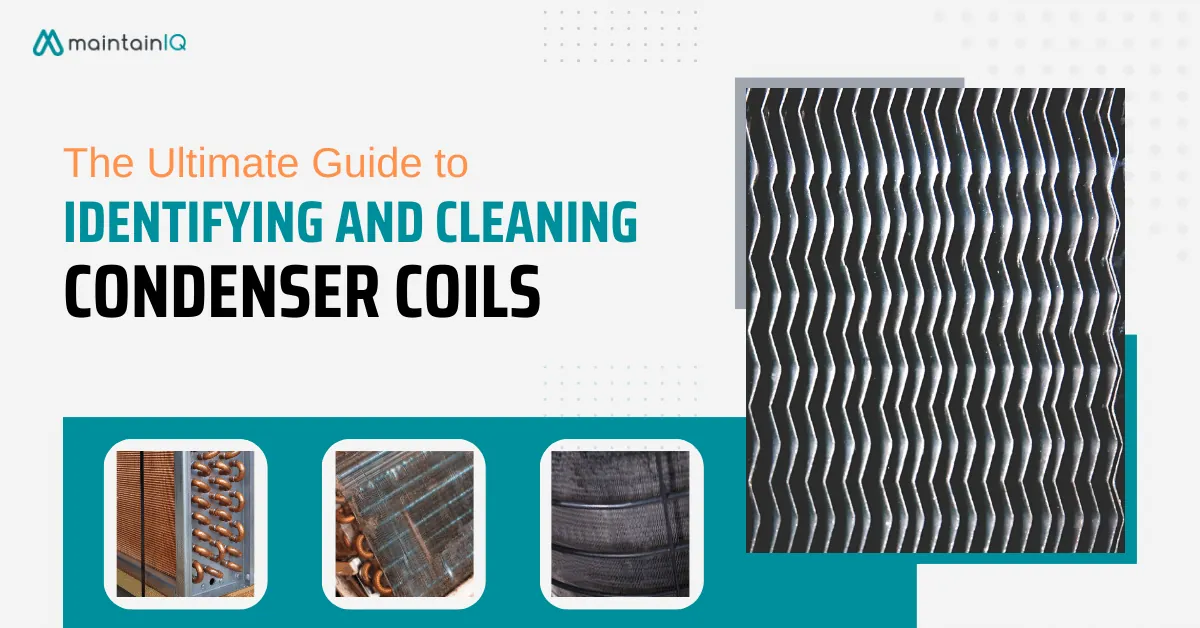
Key takeaways
- Condenser coils are the grids of thin metal fins with a pipe running through them, usually behind a vent at the bottom or on the back of the unit.
- Look at the coils every week and clean them whenever dust starts to build up between the fins, so the unit does not have to work harder.
- Turn the unit off, remove the vent cover, then vacuum or brush the fins (hose down outdoor units) without bending them.
- Refrigerators, freezers, walk-ins, display coolers and HVAC units all have condenser coils, so put each one on your cleaning schedule.
On this page
Cleaning condenser coils is one of the simplest, cheapest maintenance jobs in a commercial kitchen. The coils are the grids of thin metal fins, usually behind a vent at the bottom or on the back of a refrigerator, freezer or HVAC unit, that release heat from the system. To clean them, turn the unit off, remove the vent cover, vacuum or brush the dust off the fins, and put the cover back.
Check them every week. Dusty coils make the unit work harder, which raises your energy bill, shortens the life of the equipment and can make it hard for a cooler to keep food cold. This guide shows you how to find the coils, what to clean them with, and how to do it step by step.
What are condenser coils & what do they do?
Condenser coils are a major working component in a cooling system.
The condenser coil’s job is to remove heat from the system, which lets the refrigerant change from a gas back into a liquid so it can keep cooling.
A fan blows air through the coil, and the heat escapes through the thin metal fins and the pipe that runs through them.
What do condenser coils look like?
Condenser coils come in all shapes and sizes, but if you look closely, they all look much the same.
They are easy to recognize by their shape. They are made of many thin sheets of metal (the fins), each a few millimeters apart so air can flow through.
You will also see a metal or copper pipe snaking through the fins.
Here is a picture of what condenser coils look like:
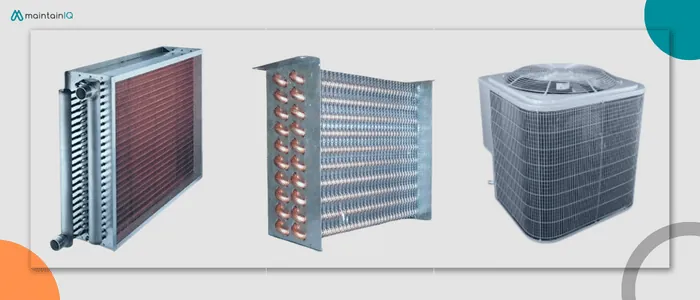
If you look closer, you can see the very thin sheets of metal spaced out evenly, with a metal pipe running through them.

Why should you clean condenser coils regularly?
As mentioned earlier, a fan constantly blows air through the coils to cool them.
Because of that, dust and debris build up quickly and clog the coils. In a restaurant, grease and flour in the air make it happen even faster.
Here is an example of a very dirty condenser coil next to a clean one:
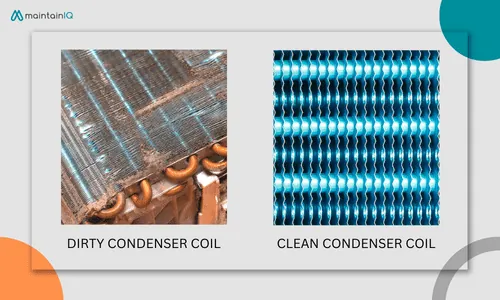
Dust and debris make condenser coils less efficient. That forces your cooling system to work harder and run longer to reach the right temperature.
It all adds up to higher energy bills and faster wear and tear on your cooling system’s components, especially the compressor.
It can also become a food safety problem. A refrigerator with clogged coils may struggle to hold food at 41°F or below, the cold-holding limit in the FDA Food Code, particularly on a hot day or during a busy service when the door is opened constantly.
So condenser coils need to be cleaned regularly.
Brushing or vacuuming the coils removes the dust and built-up debris, so air can flow freely through them again.
That lets your cooling system (freezer, fridge or HVAC unit) run more efficiently and last longer without failing.
How often should you clean condenser coils?
Weekly. Inspect the condenser coils visually every week, and clean them whenever you see dust building up.
Dust and debris collect between the metal fins quickly, so it is important to clean or vacuum the coils regularly. Coils near the cooking line, the fryer or a dusty storage area usually need cleaning more often than coils in a clean, cool room.
The easiest way to stay on schedule is to add the check to a checklist your team already uses, such as your commercial refrigerator maintenance checklists or walk-in cooler maintenance checklist.
What do you need to clean condenser coils?
Ideally, a vacuum with a hose and a soft brush attachment.
For outdoor units, you can wash the coils with a garden hose and water to remove the dust and debris.
You can also use compressed air to blow dust and debris out from between the metal fins.
A few extras make the job easier:
- A flashlight to see into the unit
- A screwdriver or nut driver if the vent cover is screwed on
- A fin comb to straighten any fins that get bent
- Gloves, because the edges of the fins can be sharp
What equipment has condenser coils?
Any system that uses refrigerant to cool has condenser coils, including:
- HVAC Units
- All Types of Refrigerators and Freezers
- Walk-In Coolers
- Walk-In Freezers
- Reach-In Coolers
- Reach-In Freezers
- Display Coolers
In short, any system that uses electric power to cool, keep cool or freeze food and beverages.
Here is where to look on each and how to clean it:
| Equipment | Where the coils usually are | How to clean them |
|---|---|---|
| Reach-in coolers and freezers | Behind a vent at the bottom, or on the back of the unit | Vacuum with a soft brush |
| Display coolers | Behind the bottom grille, or on the back | Vacuum with a soft brush |
| Walk-in coolers and freezers | In the condensing unit, on top of the box, on the roof or outside the building | Vacuum or brush, or rinse if the unit is outdoors and the manual allows it |
| HVAC units | In the outdoor unit, on the roof or next to the building | Rinse with a hose, then brush if needed |
Where are the condenser coils located?
They are typically located at the foot or bottom of the unit, hidden behind a vent cover.
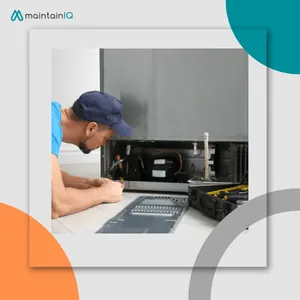
They can also be found on the back of the unit.
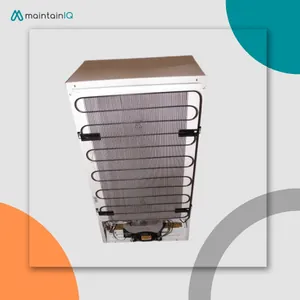
Smaller condenser coils can also sit at the bottom of the unit and be reached through the back.
You will have to look inside to spot them and clean them.
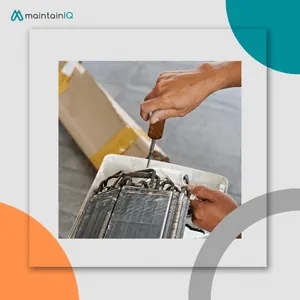
Step-by-Step Guide to Cleaning Condenser Coils
Once you know how to identify the condenser coils and reach them, they are easy to clean.
Always follow the manufacturer’s maintenance instructions. The steps below are general guidance only.
- Turn OFF the unit. Switch it off or unplug it so the fan can’t start while your hands are near it. If it holds food, plan the cleaning for a quiet time and keep the doors closed.
- Locate the condenser coils. If you see a vent at the bottom of the unit, the coils are usually right behind it. If not, look on the back of the unit, or at the bottom from behind.
- If there is a vent cover, gently remove it. Check the manufacturer’s manual to see how it comes off.
- Use a vacuum or brush (or both). Remove all the dust and debris built up on the fins.
- For outdoor units, like an AC condenser, use water. Use a hose to wash the fins thoroughly and remove most of the debris. Use a brush if needed.
- Make sure you do not damage or bend the fins. They are very delicate and bend easily. Bent fins reduce the airflow through the coil, so be careful.
- Put the vent cover back on.
- Turn ON the unit. Make sure it is running and cooling before you leave.
If you see oily residue on the coil or hear hissing, the unit may be leaking refrigerant. Don’t try to fix it yourself. Under EPA Section 608, refrigerant work has to be done by a certified technician, so call your refrigeration contractor.
Now that you know how to find and clean condenser coils, the hard part is staying on schedule, week after week, across every unit. A written preventive maintenance plan helps, and so does adding coil checks to your HVAC preventive maintenance checklist.
MaintainIQ makes that part easier. Add each refrigerator, freezer and HVAC unit, set how often its coils should be cleaned, and the app shows the next due date and how many days a cleaning is overdue. Your team records each cleaning from a phone, which builds up a service history for every machine.